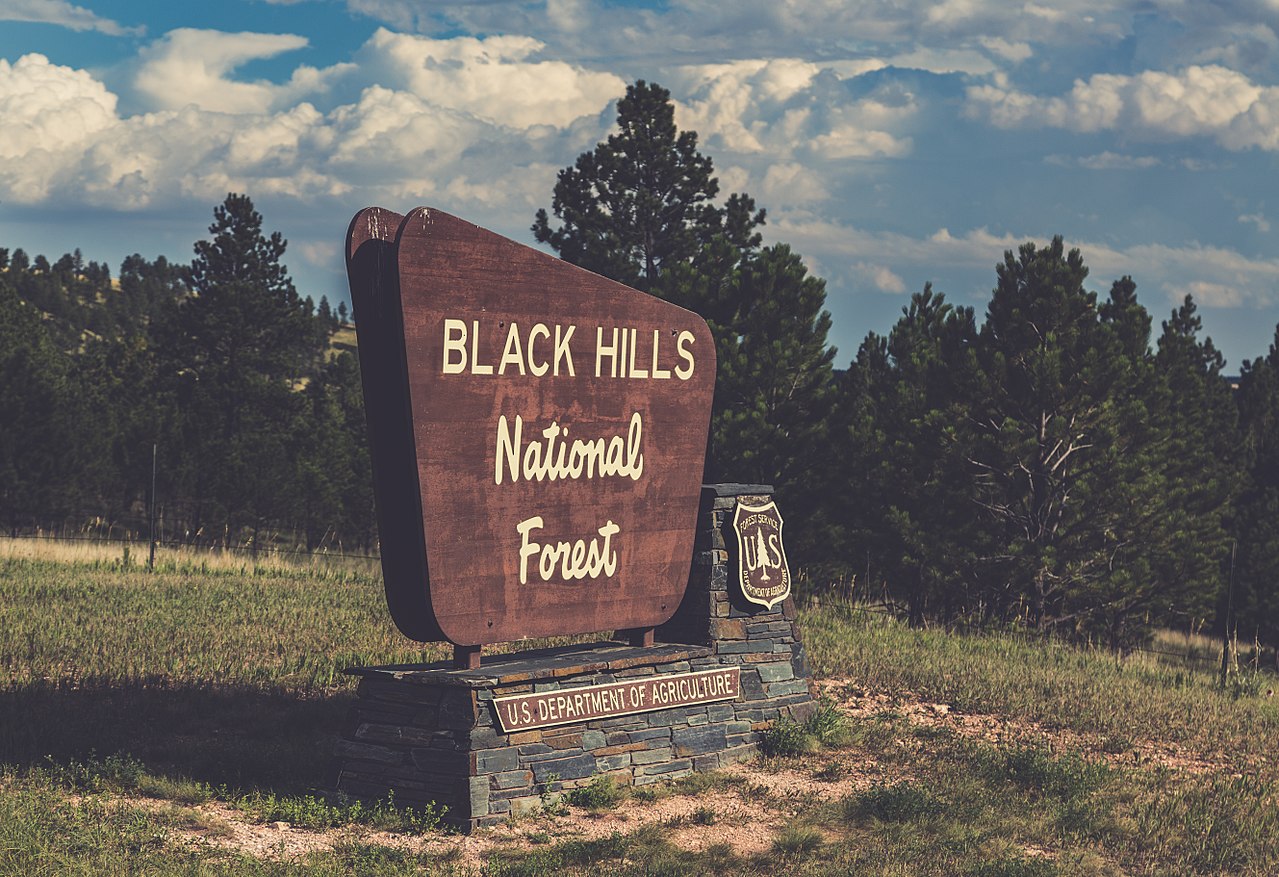
Black Hills National Forest


Hesapa, known in English as the Black Hills of South Dakota, has been a sacred and irreplaceable holy land to Oceti Sakowin (the Tribal Nations referred to by the United States as the Great Sioux Nation) for thousands of years. It should be first understood that the entirety of Hesapa is sacred ground – as well as unambiguously stolen treaty land – for each of these Nations. Numerous locations throughout the Hills are equivalent in sacrosanctity to the Temple Mount, Mecca, Bodh Gaya, or any other carefully respected holy place around the world.
Prayer ceremonies, as well as cultural medicine and food gathering, are conducted by Oceti Sakowin peoples to this day at sacred sites throughout Hesapa. The continuance of these traditions represents an unbroken connection to the prayers of countless Lakota, Dakota, and Nakota ancestors who so loved Unci Maka – our Grandmother Earth – that they took great care to imbue their descendants with the generational wisdom necessary to maintain the sacred hoop of relationship with Hesapa long after their own passing. Love is vulnerability and connection. Hesapa is where Unci Maka welcomes humanity like lost children (with healing hot springs, no less!), her underground aquifers kissing the surface, so we may learn through her vulnerability that we’re inextricably connected to the greater whole of existence – whether we like it or not.
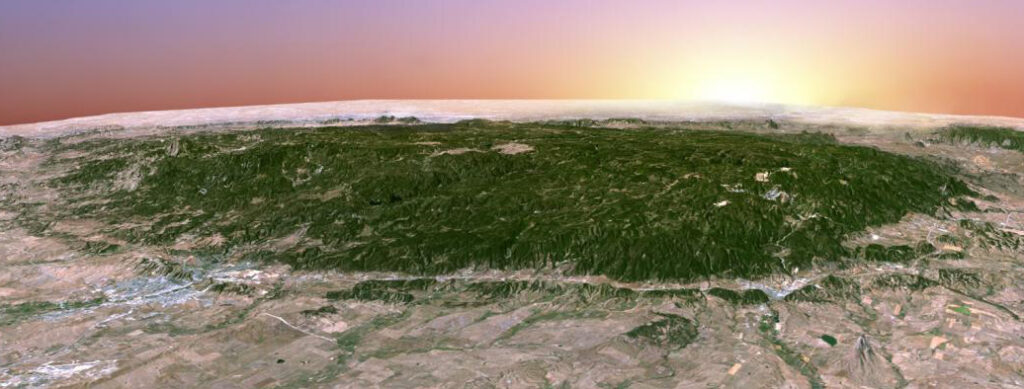
Indeed, the unique and mysterious geology and hydrology of Hesapa, the constellational alignments by season, the ancient cave systems, the endangered species endemic to the area, and the archaeological artifacts testifying to a history of pilgrimage by humans since time immemorial make Hesapa a special place for anyone, religious or not. Scientists, naturalists, outdoor enthusiasts, and people who drink water have access to a living miracle in Hesapa every day. Lifetimes of understanding to be gained await all who can see that this place should be protected, not exploited unto ruination.
Unfortunately, Hesapa also has a 150-plus year history of being scarred and poisoned by the toxic mining operations that catalyzed its colonization and led to it being known as the Black Hills in the first place. Following years of miners’ encroachment came the 1872 General Mining Law, the 1874 expedition of Gen. George Armstrong Custer, the Great Sioux War of 1876, the Black Hills Act of 1877 (illegal land seizure), and 150 years of insistence by the U.S. government that Indigenous rights are worth less than human rights; that contracts with Indigenous peoples aren’t binding like those made with human beings; and that Indigenous sacred sites are targets for mining. Even the Supreme Court opined in 1980 that when it comes to the administrative theft of Hesapa, “…a more ripe and rank case of dishonest dealings will never, in all probability, be found in our history.” Though legal remedy for the Great Sioux Nation is continually withheld, the systemic injustice against them is not disputed by anyone.
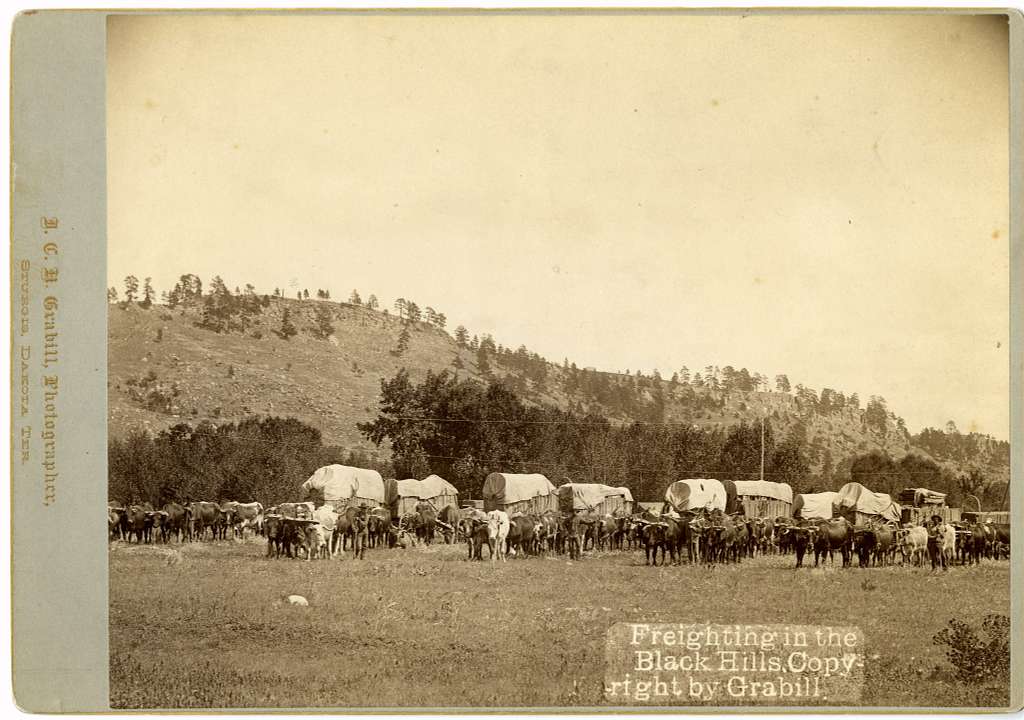 Freighting in the Black Hills, 1887. Transportation of mining equipment and provisions during the late 19th-century Dakota gold rush. Photograph by J. C. H. Grabill. Credit: Courtesy of the National Park Service, Little Bighorn Battlefield National Monument, Public Domain.
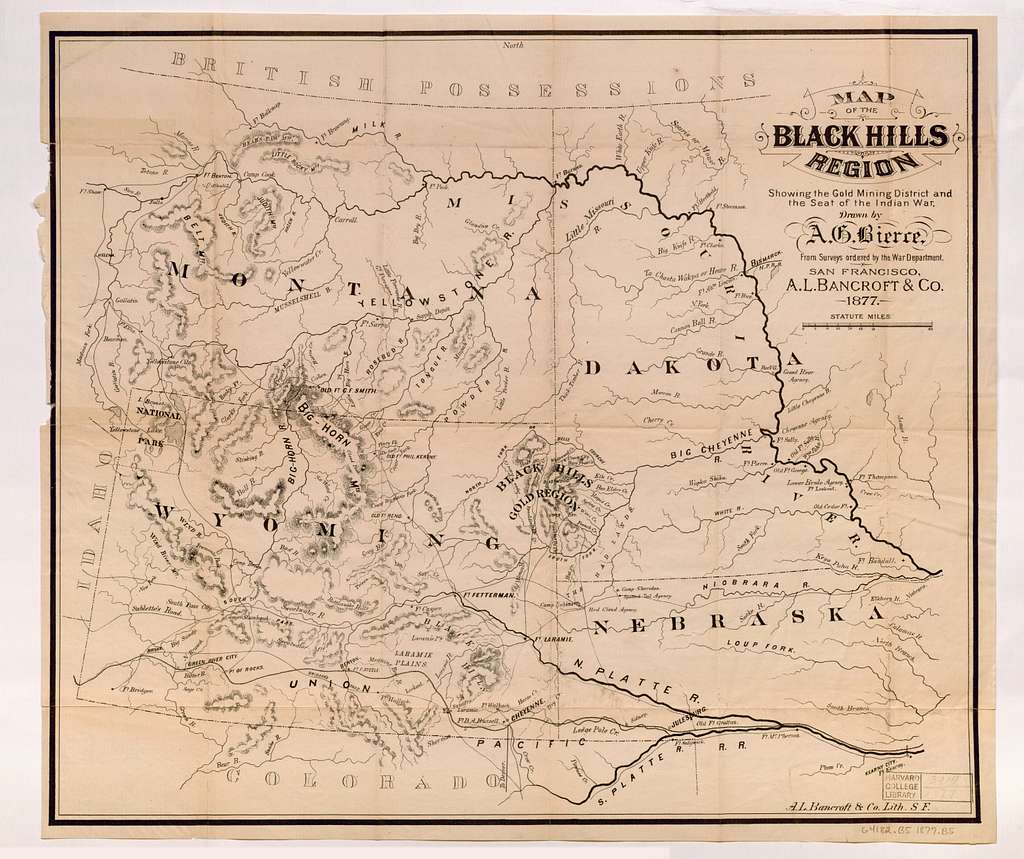
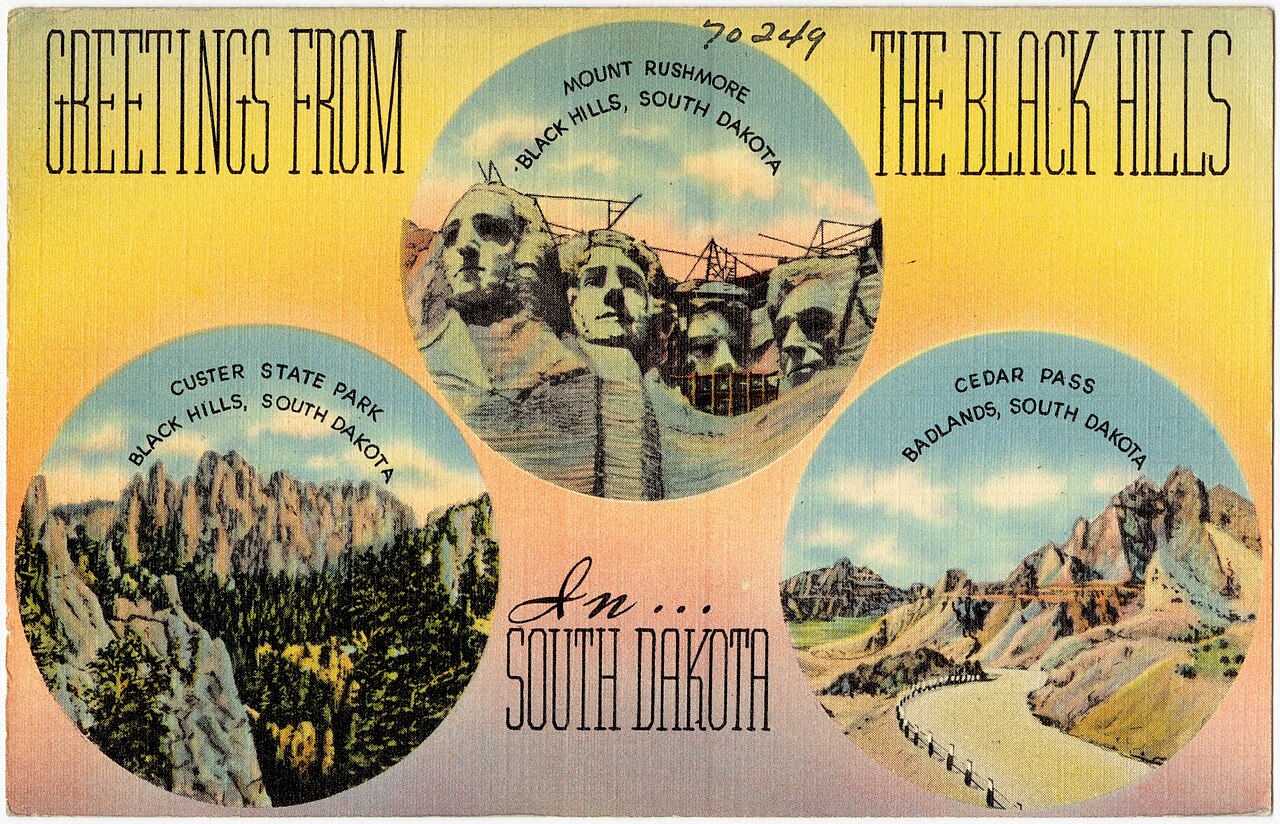
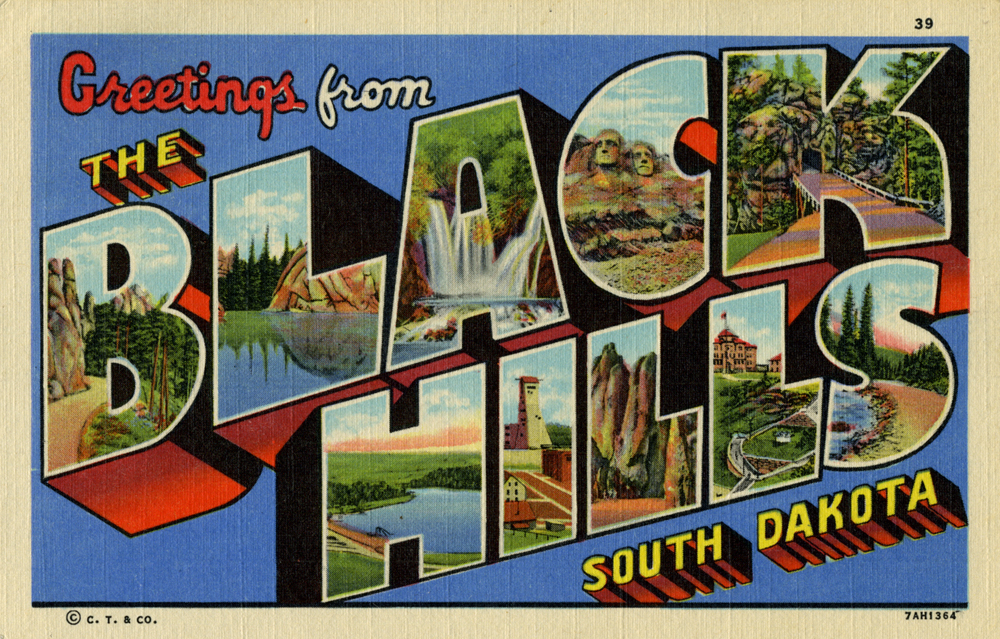
Every bit of that injustice was done explicitly to accommodate mining. Every mining operation in Hesapa today is a violation of the 1868 Treaty of Fort Laramie, in which The Great Sioux Nation is guaranteed the “absolute and undisturbed use and occupation” of the entire Black Hills. Treaty rights are affirmed by Article VI of the U.S. Constitution, which names treaties with Indigenous Nations as “the Supreme Law of the Land.” That means every mining operation in Hesapa today is illegal. And each instance of profit generated from illegally mining treaty lands represents a cold denial of Indigenous peoples’ equal human rights under the law. It’s difficult to accept the idea that hate crimes have been the basis of U.S. extractive policy since 1872, but it’s true.
Clearly big changes are needed, and they start by changing how we think. A simple, rational step in this case would be to legally change the name of the Black Hills National Forest to Hesapa National Forest. It’s not just using a different language, because these aren’t just Hills. To officially call this sacred land as it was called for thousands of years would mark the beginning of a journey toward a future in which, through the enactment of justice, Indigenous land stewardship will save the planet. It’s time to honor and speak the real history that we owe to our grandchildren. It’s time for Indigenous people’s justice to mean everyone’s survival. Change the name to Hesapa National Forest.
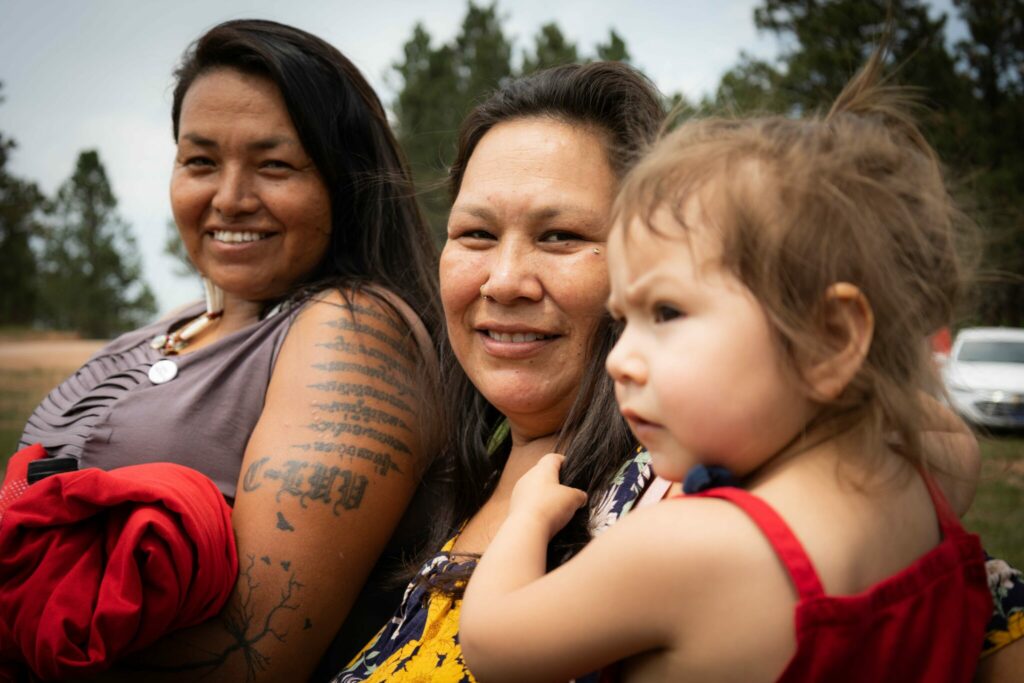
A final note: as you see Indigenous peoples struggling to defend Hesapa and Indigenous sacred sites like it from modern extractive threats, know that they are doing so for the sake of your children, your homes, and your drinking water as well. As the world faces down a future dominated by A.I and the commodification of practically everything, know that the resistance being fostered by Indigenous peoples around the world amounts to nothing short of preserving what is great about being human. We owe that preservation not only to ourselves, but to a planet which has cared for us without compromise and now needs our care in return.