Black Mesa

The landscape of Dinétah is described as a hogan with a male and female laying inside of it. Dził Yijiin is the female mountain, and represents a woman laying on her side. If you look at satellite imagery, you can make out the outline of two bodies. It’s amazing our elders knew this. That’s how deep our People’s knowledge is of this land.
My mother, Katherine Smith, was one of the matriarchs who resisted forced removal that was being carried out through the Navajo-Hopi Relocation Act of 1974. My mother passed away at 103. Her generation resisted almost all their lives to remain on the land. I learned from her why the matriarchs did what they did. For them, it was about responsibility to your landscape and to your water. They were protecting and honoring the female mountain and our connection to it. That’s Fundamental Law. That’s our job as stewards, it’s our responsibility to take care of and protect. And that’s how they viewed the importance of resisting relocation. My mother talked often about their way of life and the way it was sustaining. They took care of the land, and the land took care of them. It was like that for generations. She told me that her grandmother told her to not ever leave the land, because she will always have what she needs here. She may not have money, but she will have water, food…everything she needs.
I grew up here and being a sheepherder, as a young person, you become familiar with the landscape from moving all over it. Memories are made that way, so even if you grow older and move far away, the land is always in your mind because of that history and that experience. You’re connected in that sense. A lot of people who were relocated to other areas are having a lot of social problems. They have forcibly had that connection taken from them. I know how that can impact you. There was a period of deep sadness in my life when I really believed I would also never be able to return. But when they signed the accommodation agreement, it became possible to return without fear of forcible removal.
But they made it hard to continue to live in our homeland. They created so many conflicts between Navajo and Hopi. Created so many rules and restrictions, and complicated land use laws and then denied any support to sustain our ways of life. A lot of people ask “why did we not relocate in the first place?” It’s simple. This isn’t just a “land base,” it is a home-base. People go back generations here. Our matriarchs fought for our right to stay here.
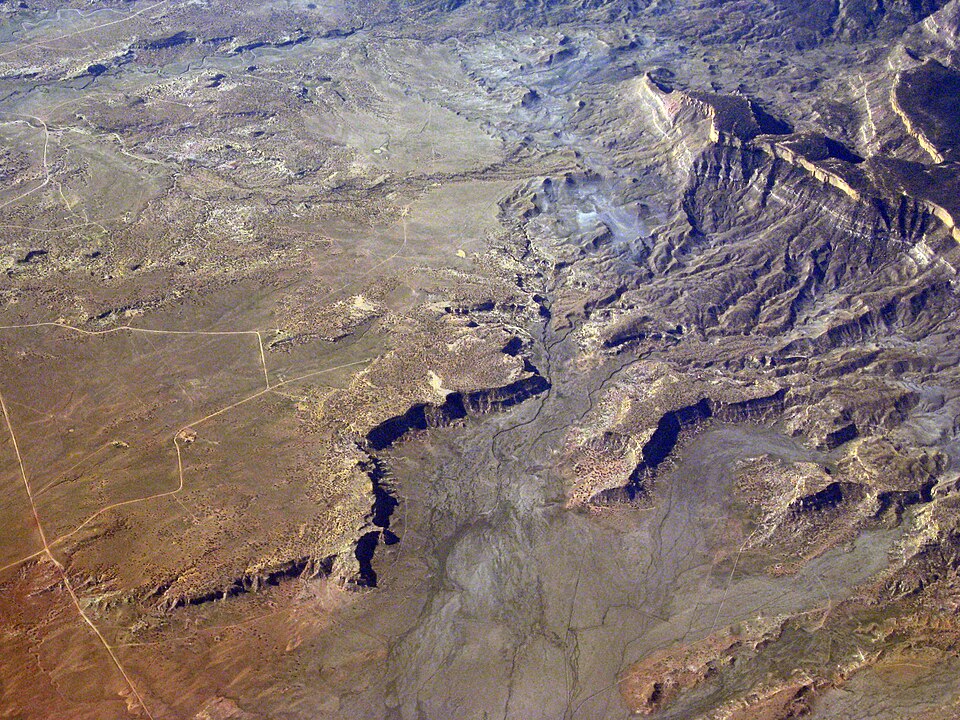 The eastern edge of Black Mesa, west of Chilchinbito, Arizona. Credit: Doc Searls, CC BY-SA 4.0.
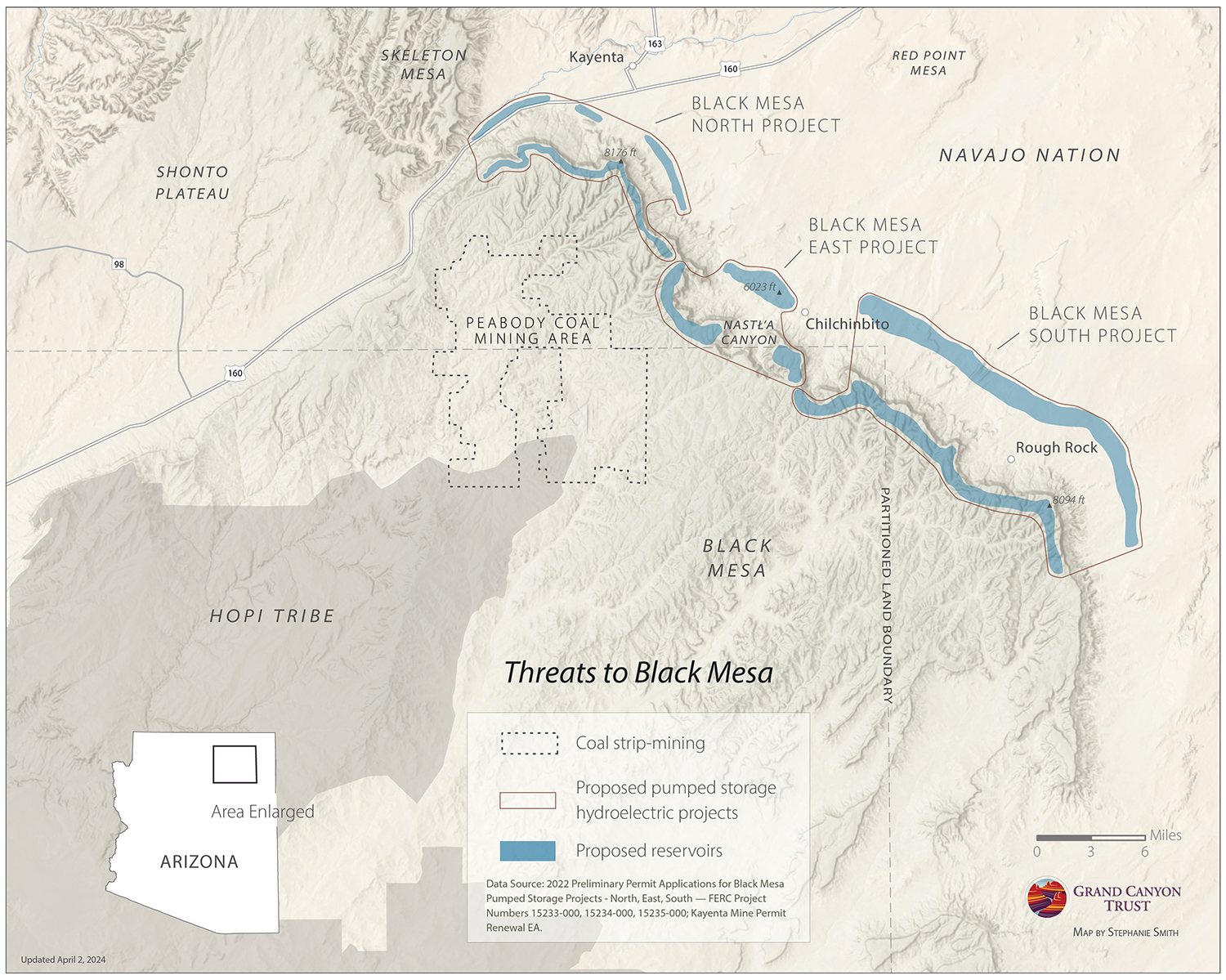
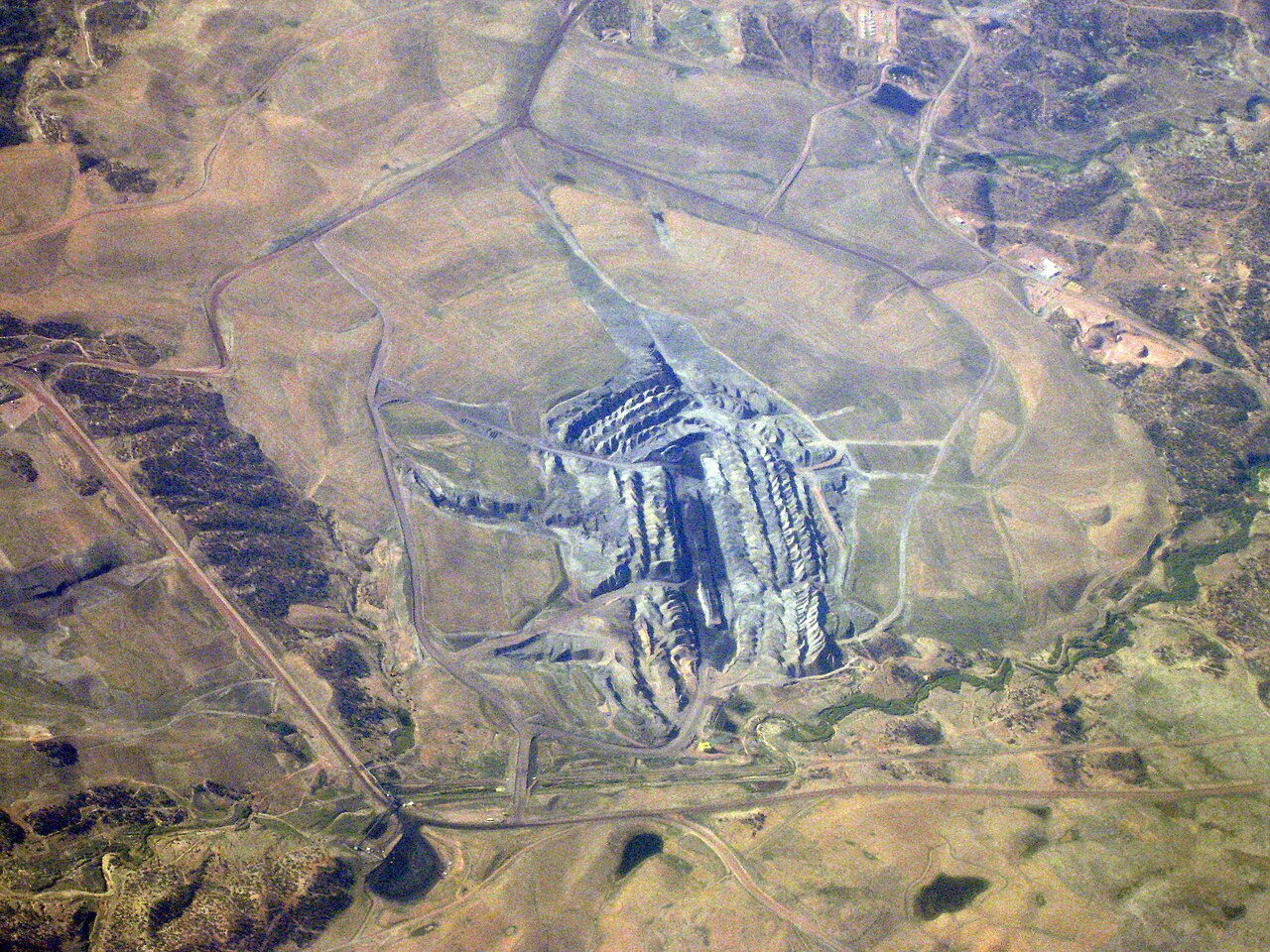
But we have a lot of work to do. We were always taught if you have livestock you take care of them. But we are not doing those things anymore, people are not taking responsibility over their livestock and the land. I know they have lost the connection because when you have that connection and you see how bad of a condition the land is in, when you notice the loss of plants, the lack of water, it hurts your heart. We have to do everything we can to restore this connection because climate change, the impacts of mining in Black Mesa, and the threat of new mining are all impacting the land and the water, which impacts our future.
That is how we are resisting now. We are carrying out a project working with family and community members to go back out on the land and reclaim names for the landscape in our own language, to restore place names and the stories behind them. We visit very remote places, with people who are knowledgeable about the land, like my brother. We listen to their stories, and learn about the origin of place names, and events they were tied to. Some events were more recent, like during my grandmothers’ generation. It brings tears to my eyes. I just feel so grateful to have the opportunity to do that again, because you see these places as a young child, and when you get older you can’t really hike like you used to. Yet you think of these different places and want to see them again, like the sheep camps, the places I’ve hiked.
We are learning so much, even that the land misses us too. This is why I think remembering our names for our homelands is such a powerful thing to do. It’s a way to get people reconnected back to these places and have a relationship that is through our own stories and histories. That’s how we heal. We reclaim places, revive the knowledge, and reconnect the People.