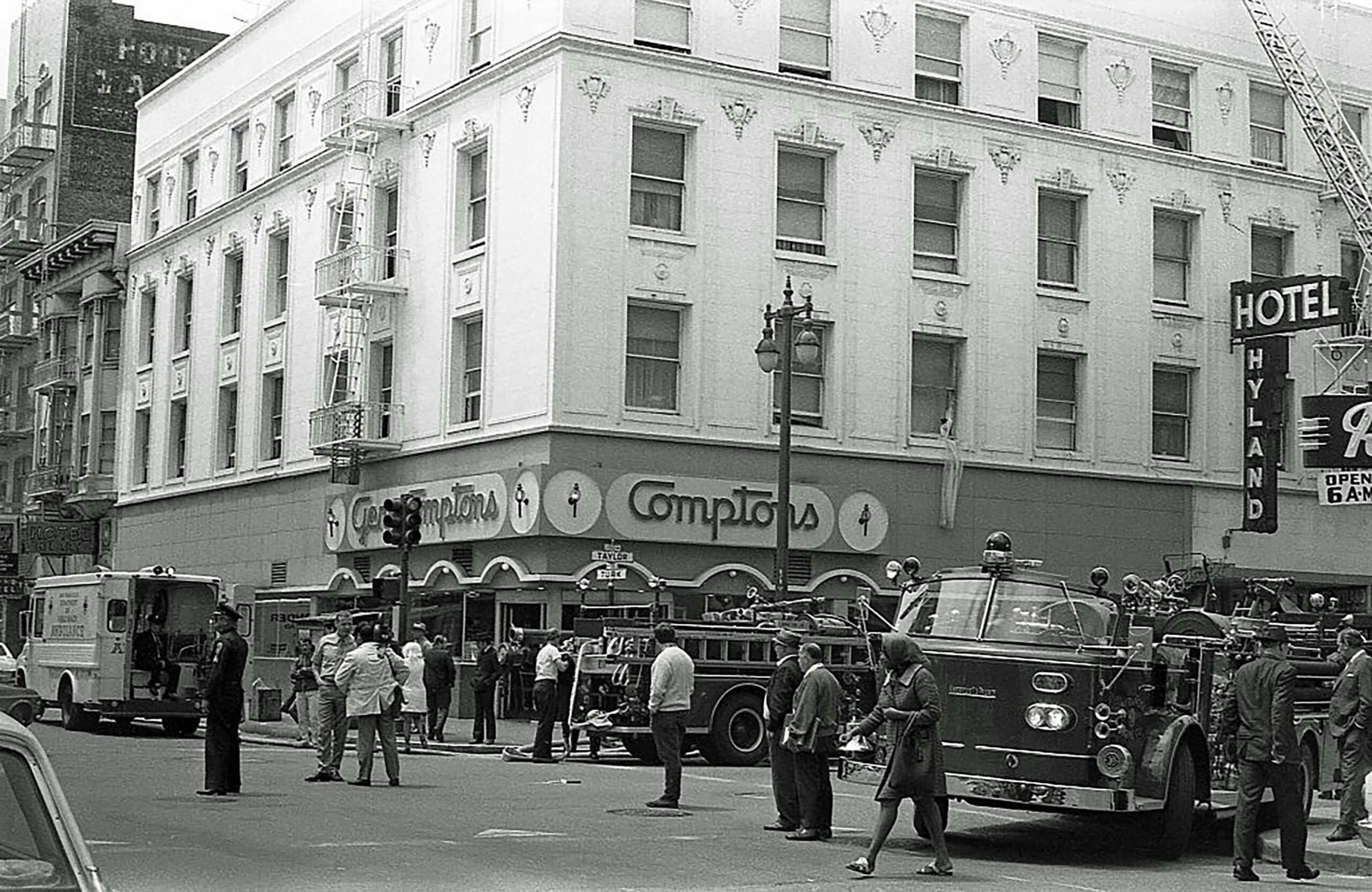
Compton’s Cafeteria Riot Site


In the immediate aftermath of the devastating San Francisco Earthquake of 1906, architect Abraham Edelman designed a building that still stands at the corner of Turk and Taylor Streets in San Francisco’s impoverished Tenderloin neighborhood. It was a cheap hotel to house the working-class people who were rebuilding the city, with ground-floor space often occupied by cheap eateries.
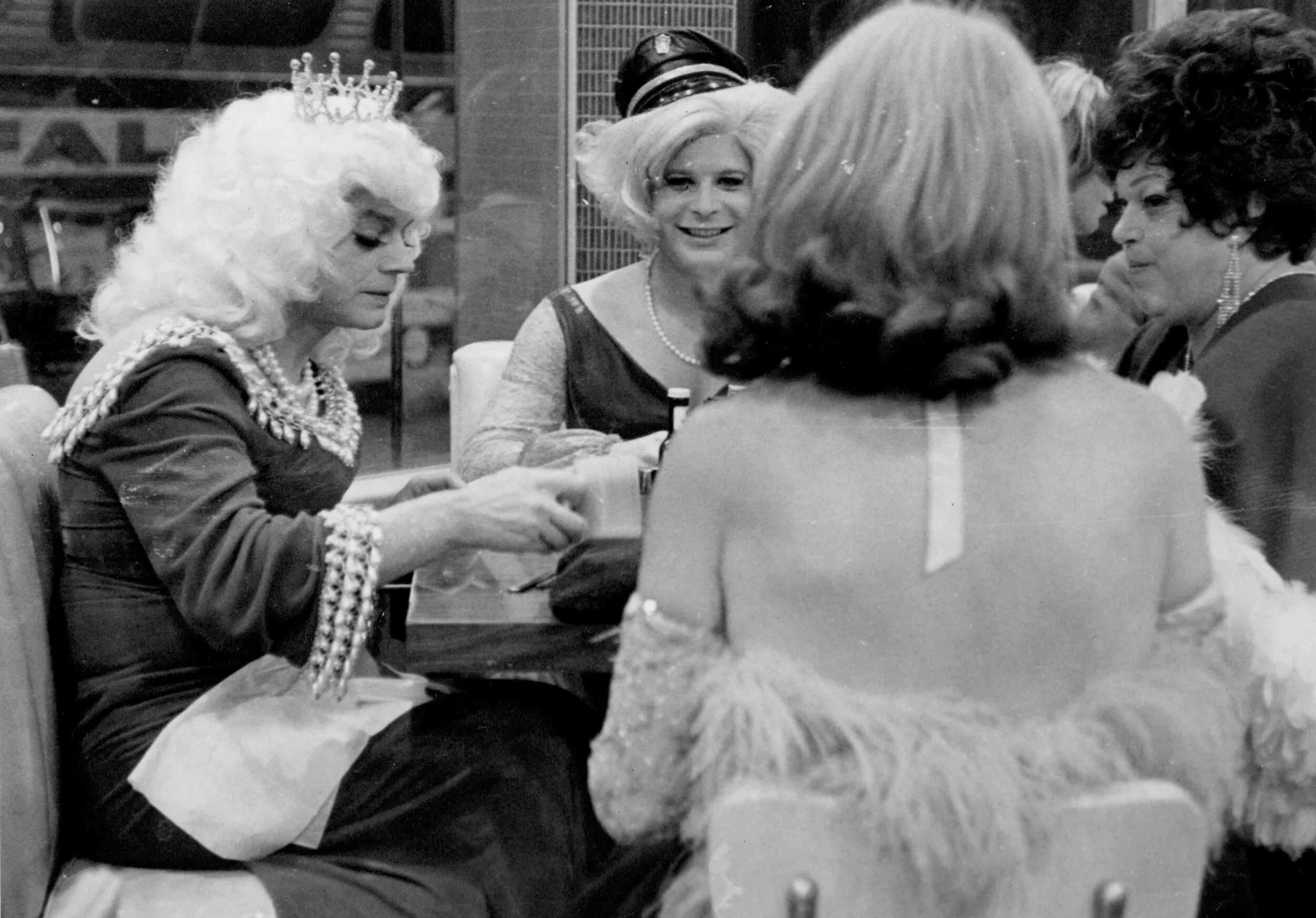
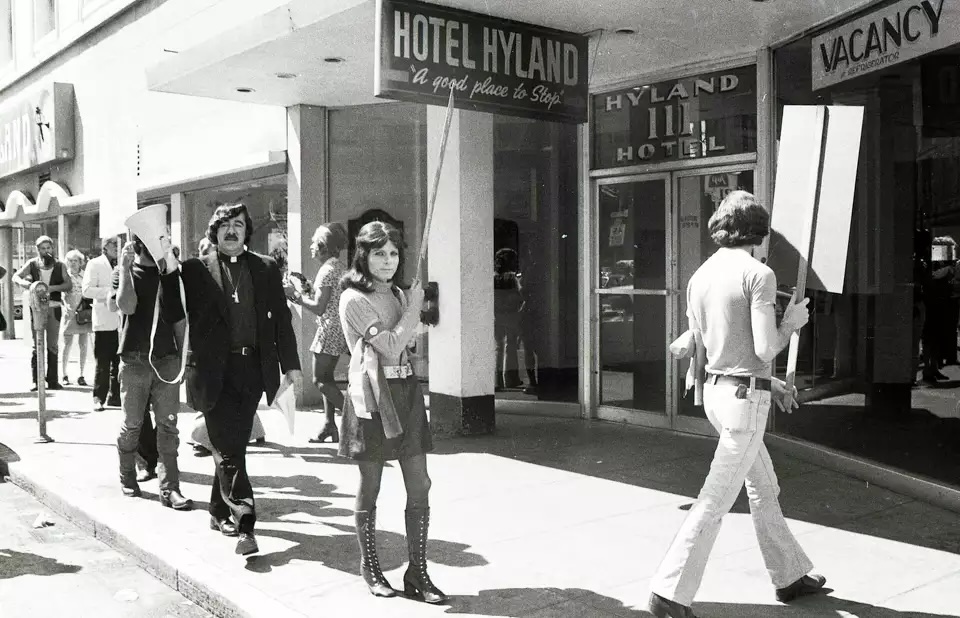
For half a century, the Tenderloin functioned as San Francisco’s red-light district, and the intersection of Turk and Taylor was the epicenter of the city’s transgender ghetto. In August 1966, the eatery then located in the Edelman building became the scene of the so-called Compton’s Cafeteria Riot, named for the business where that incident took place. The riot was sparked by so-called “street queens” who patronized the establishment resisting arrest during a police raid. The fight spilled into the streets, and before it was all over, the cafeteria’s plate glass windows had been smashed out, a police car had been vandalized, a newsstand set on fire, and hundreds of other people had poured out nearby hotels, bars and restaurants to join the fray. Taking place three years before the more famous uprising at New York’s Stonewall Inn that supposedly launched the gay liberation movement, the Compton’s Cafeteria Riot is the first well-documented act of collective, militant resistance to the social oppression of trans and queer people in United States history.
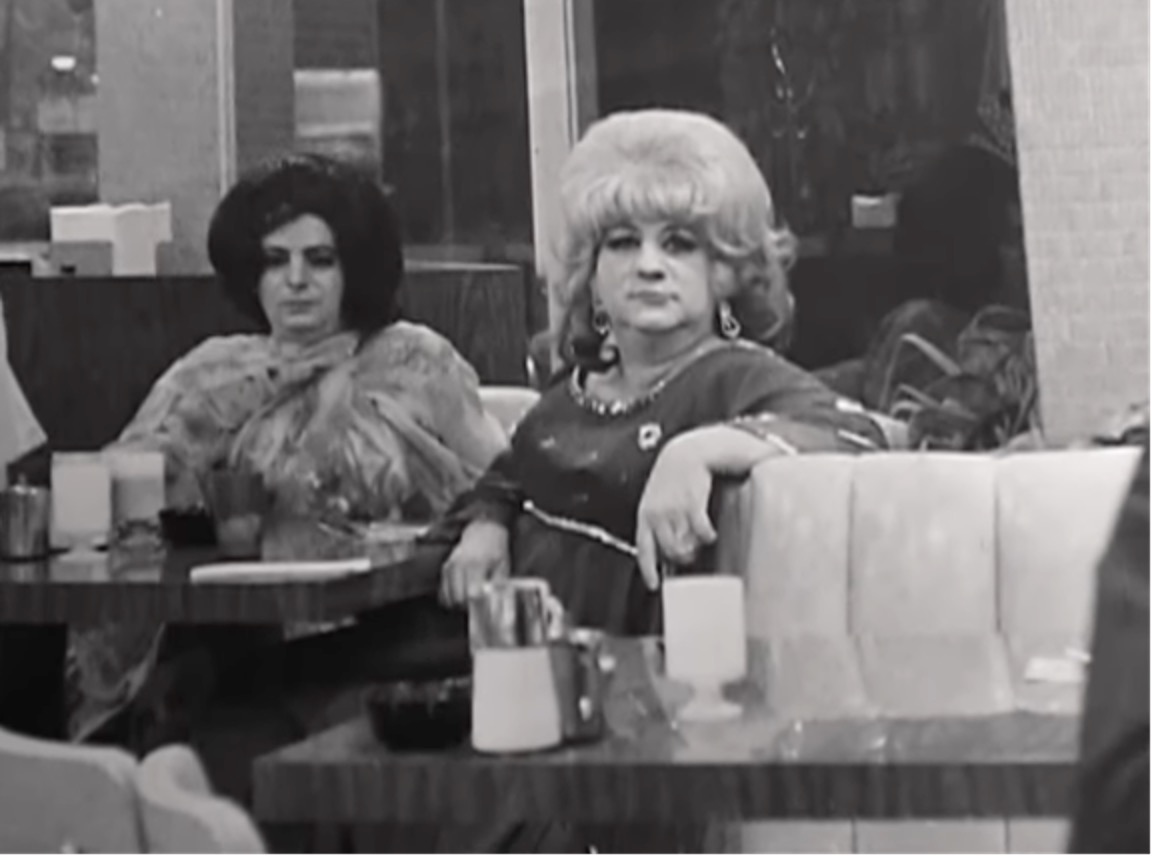 Interior of Compton’s Cafeteria, ca. 1966. Credit: Henri Leleu. Henri Leleu Papers (1997-13). Courtesy of Gay, Lesbian, Bisexual, Transgender Historical Society.
Humans lived in what’s now the San Francisco Bay Area for thousands of years before the bay itself was formed, between 12,000 and 7,000 years ago, as Ice Age glaciers melted and the sea levels rose. The San Francisco peninsula formed by that gradual flooding was home to the independent Yelamu tribe of the Ramaytush Band of the Ohlone people who lived all around the Bay. The site where the Compton’s Cafeteria Riot would one day take place was on the edge of a spring-fed freshwater pond that lay between the seasonally-occupied Yelamu villages of Sitlintac and Chutchui. Spanish colonization in 1776 culminated in the total extermination of the Yelamu, whose memory is carried by other Ohlone peoples who still live in the region today.
The intersection of present-day Turk and Taylor Streets was laid out after the U.S. conquest of what was by then territory claimed by Mexico in 1846. In the second half of the nineteenth century that part of San Francisco was a middle-class residential neighborhood called St. Anne’s Valley. The Tenderloin—a containment district for after-hours bawdy entertainment, dive bars, SRO hotels, sex-work, gambling, and drug-dealing—didn’t take shape until after the 1906 quake and fire. The Turk and Taylor location of Gene Compton’s Cafeteria, a small local restaurant chain, opened there in 1954.
The Tenderloin functioned for most people as a “vice tourism” destination, but for trans women excluded from employment and housing opportunities elsewhere and consigned to the sex industry, the Tenderloin functioned as a residential ghetto, its boundaries enforced by the police. When the so-called street queens rioted against police harassment at Compton’s, they and the people who fought alongside them were rioting against an entire system of spatial segregation and criminalization, imposed on stolen land and predicated on colonial ideologies of sexuality and gender, that constrained the possibilities of their lives.
Policing is the spear-tip of a carceral power that still operates in the Tenderloin today. The building where the riot took place was acquired in 1989 by GEO Group, one of the world’s largest private prison corporations, after a for-profit incarceration facility the company operated elsewhere in San Francisco was damaged in the Loma Prieta earthquake. The old hotel above the former cafeteria is now transitional housing for people preparing to exit incarceration, but who are still under the authority of the California and federal prison systems. It is a glorified jail, disguised as an inner-city apartment building, owned by the same corporation that runs family separation camps on the U.S./Mexico border and holds billion-dollar contracts to build detention facilities for ICE.
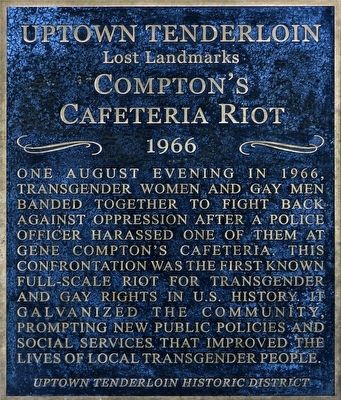 Plaque installed outside the former Compton’s Cafeteria Building in 2011 by the Uptown Tenderloin Historic District. Credit: Allen C. Browne, HMBD.org.
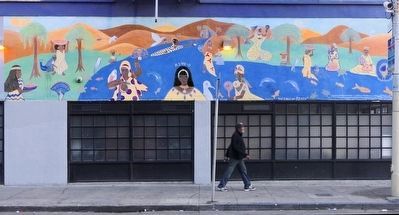
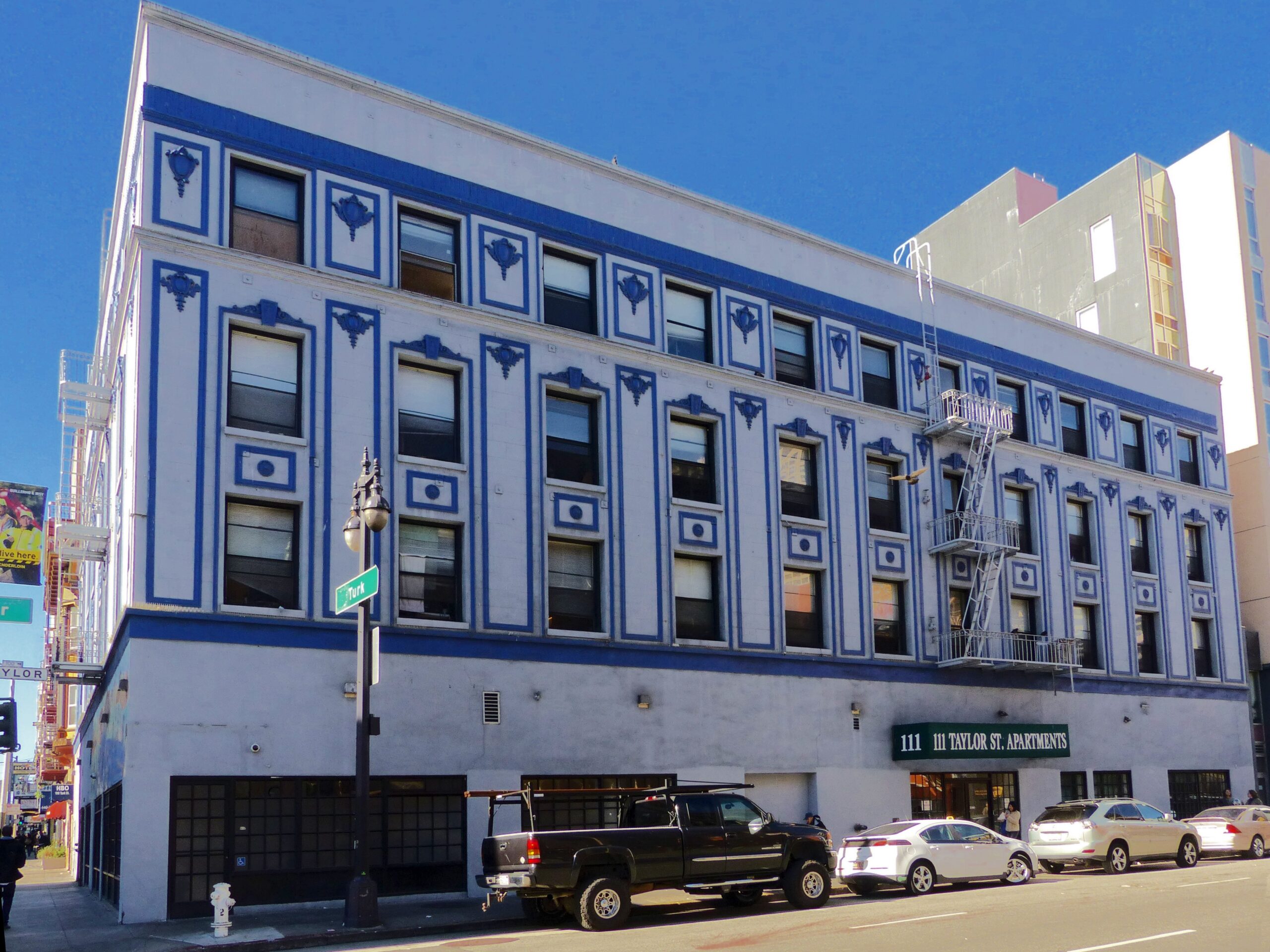
The Compton’s Cafeteria Riot is but a single chapter in the site’s centuries-long history. Activating that story of resistance in our present moment can nurture abolitionist visions for the site’s eventual liberation and future use, but it must remind us as well that any vision for justice at the crossroads of Turk and Taylor must also be deep enough, and powerful enough, to address the violence of occupation that marred the living land and murdered its first peoples in centuries past.
- Video | "Screaming Queens” by Victor Silverman and Susan Stryker
- Campaign | TurkxTaylor Initiative
- Website | The Transgender District
- Coalition | Compton’s x Coalition
- Places Journal | “Transgender Resistance and Prison Abolitionism in San Francisco’s Tenderloin”
- Film | Screaming Queens: The Riot at Compton’s Cafeteria