Rio Grande


Ahamatau Pakna Pakine — The River of My Ancestors
To many, the Rio Grande is a river. To governments, it is a border. To industry, it is a resource. But to me, as an Esto’k Gna—Carrizo Comecrudo person—it is something far older than any map, nation, or fence. It is a relative. It is memory. It is the living vein of our homeland.
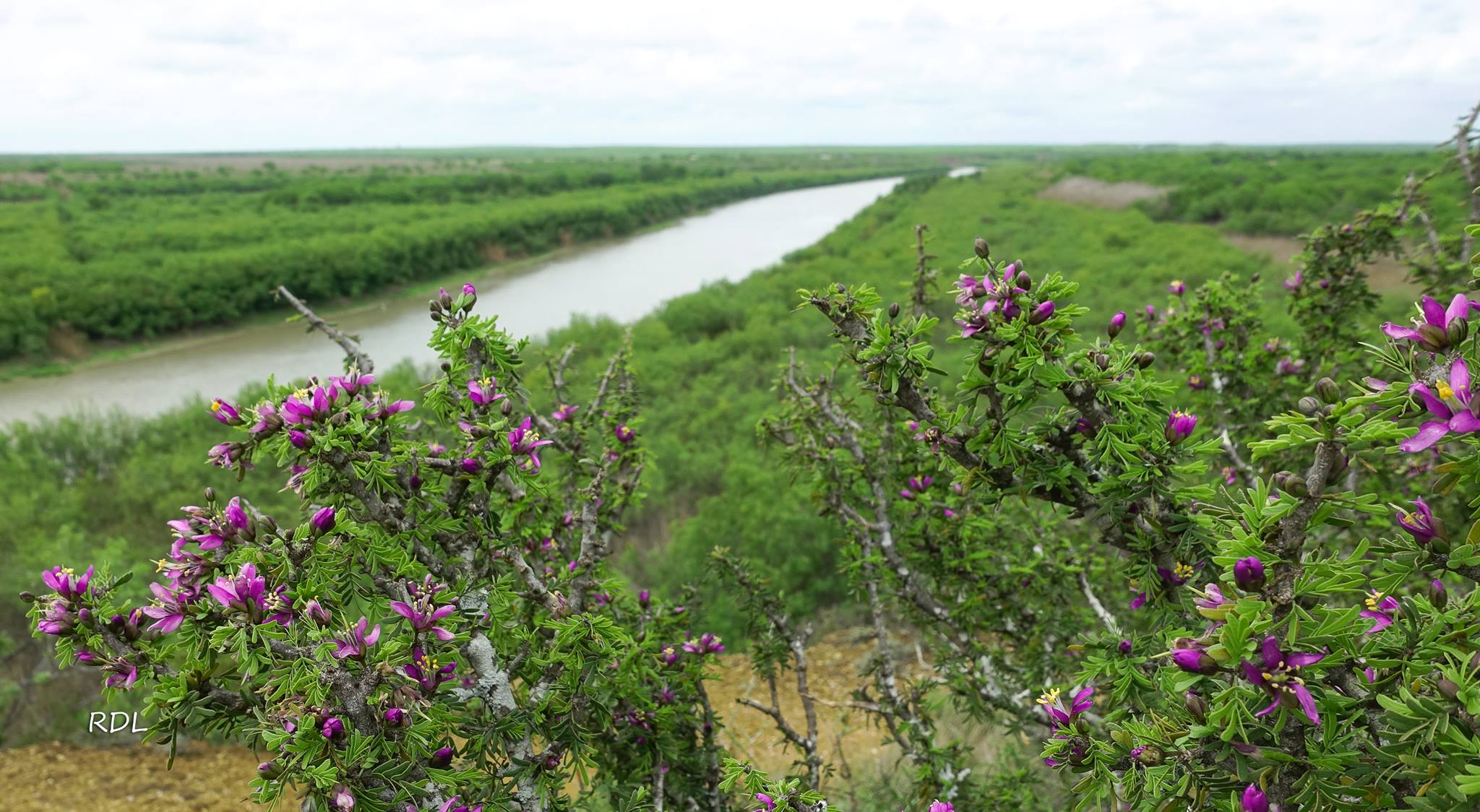
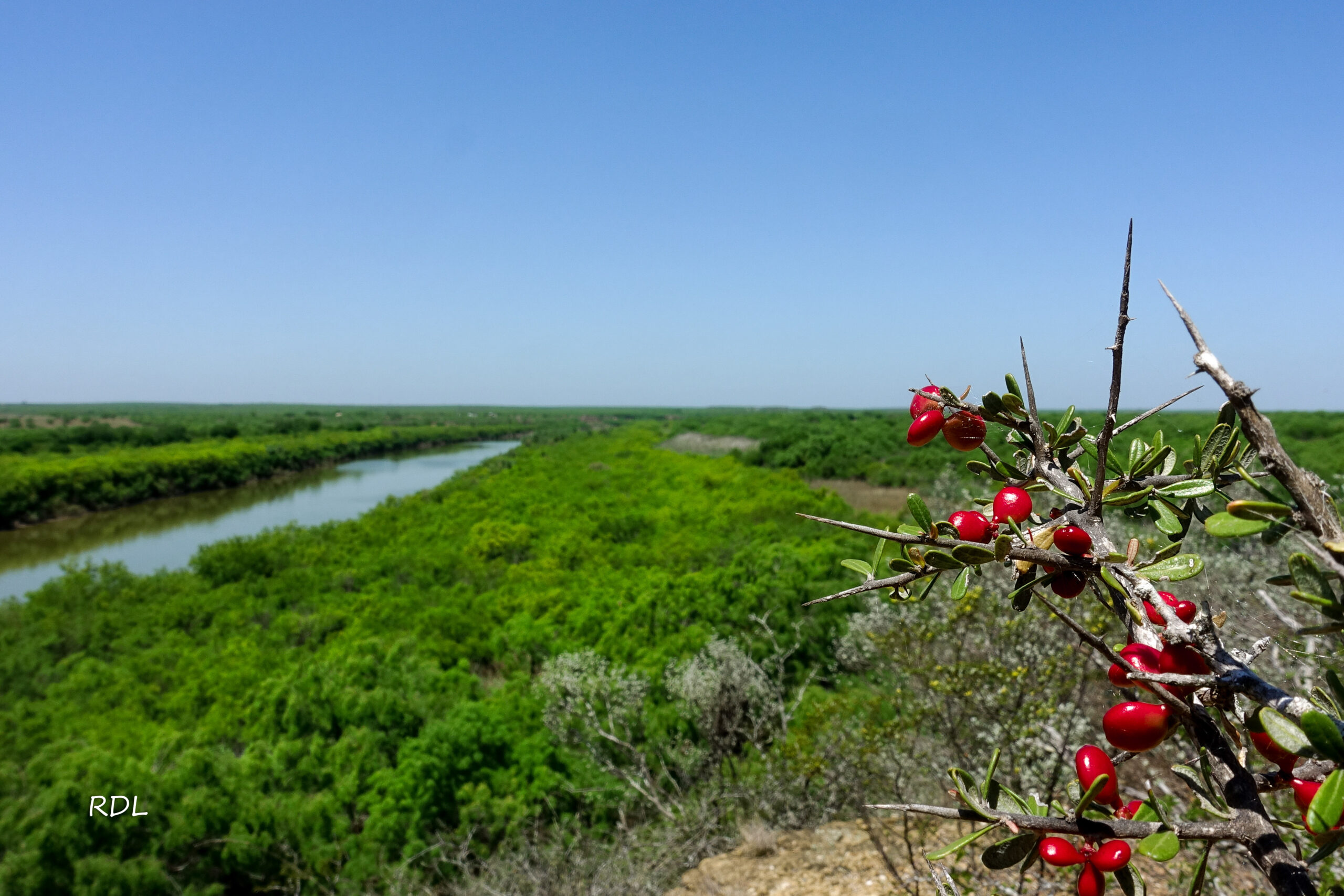
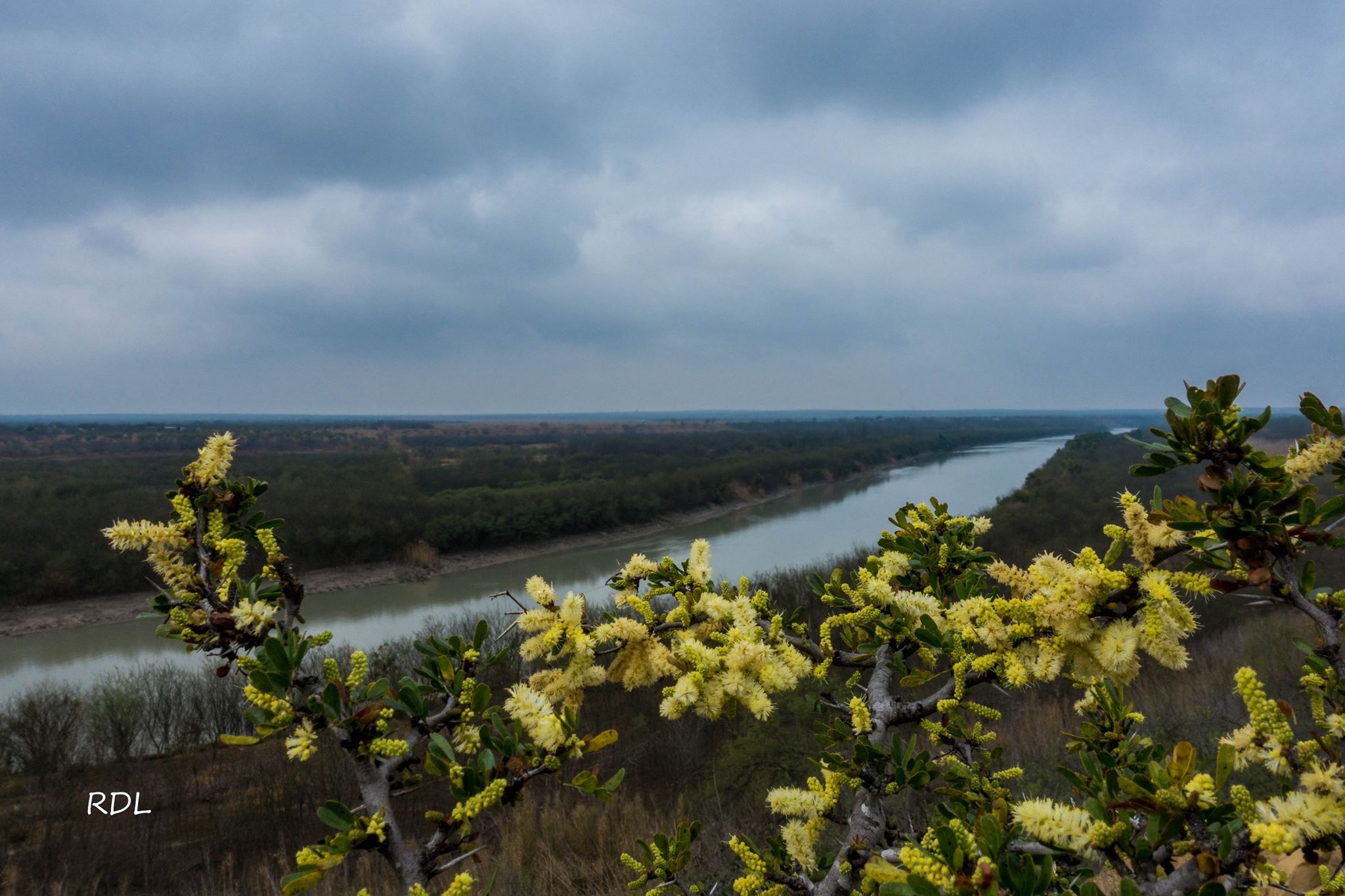
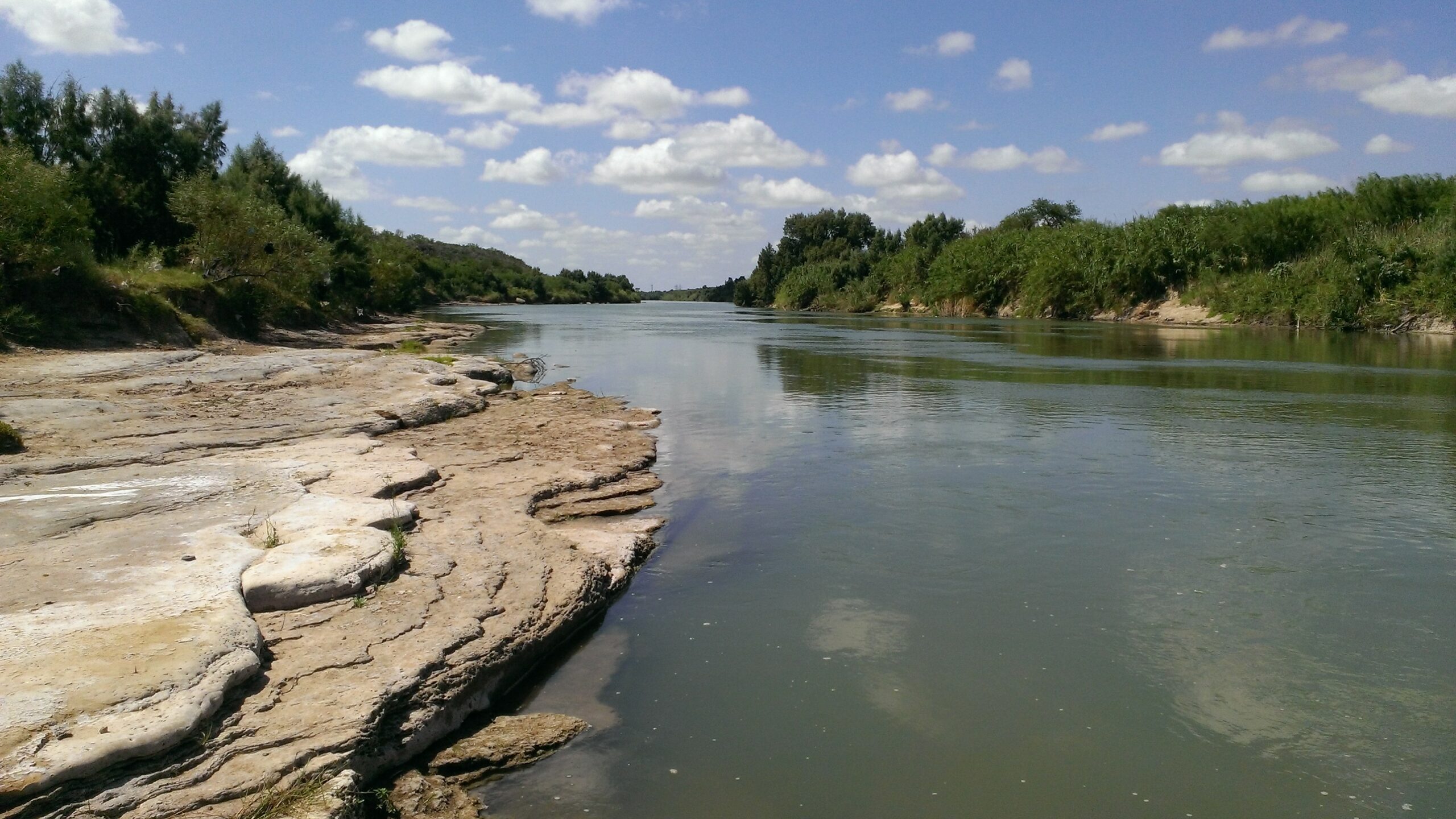
The river did not ask to be a border. The land did not ask to be surveyed. Long before treaties, walls, checkpoints, and deeds, the waters of Ahamatau Pakna Pakine flowed freely from the mountains to the sea, carrying stories, songs, seeds, fish, and people. Our ancestors traveled its currents and walked its banks for countless generations. They drank from it, prayed beside it, buried their loved ones near it, and learned from its movements. The river was not a line separating people; it was a pathway connecting them.
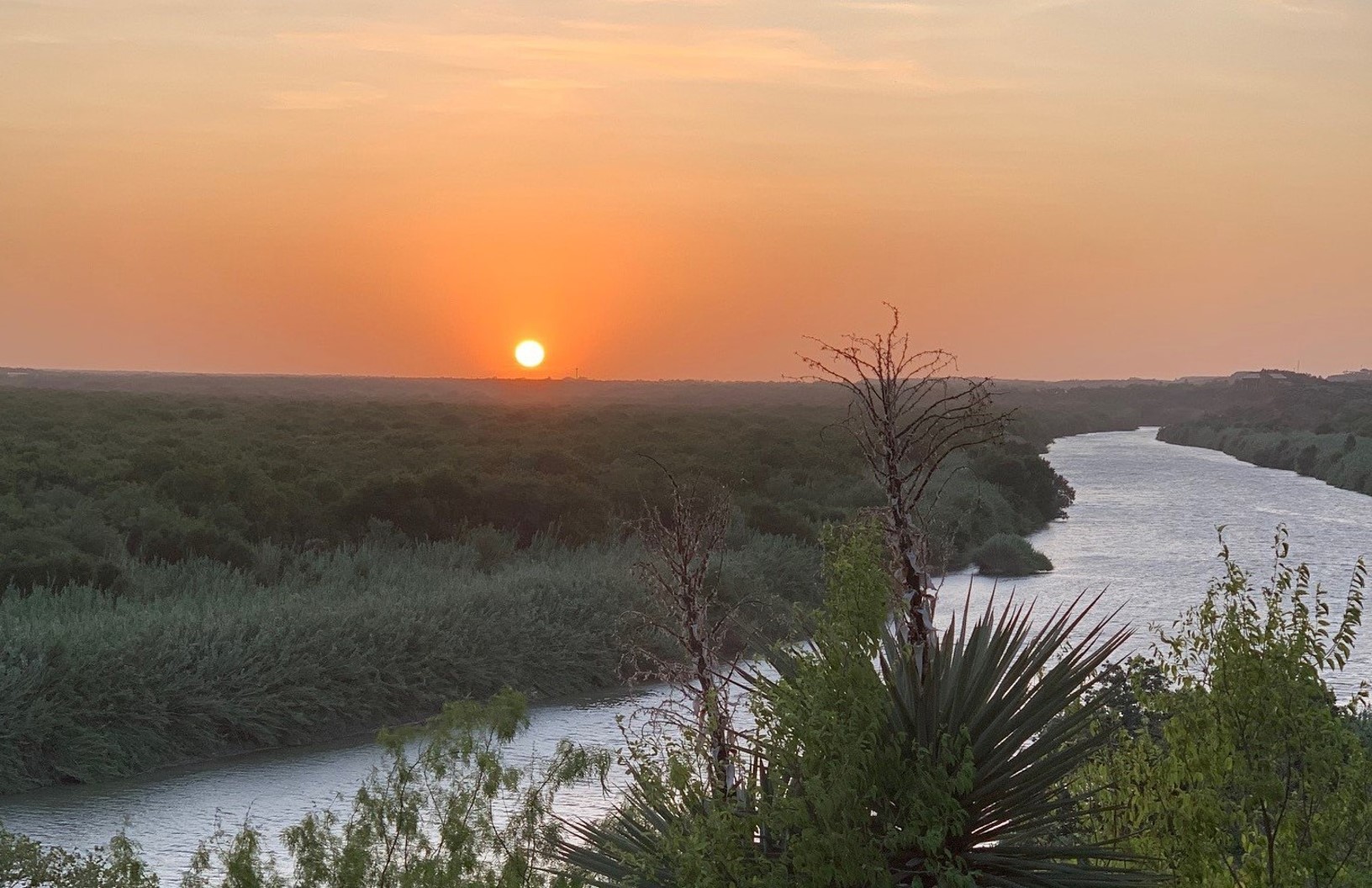 Credit: Rio Grande International Study Center
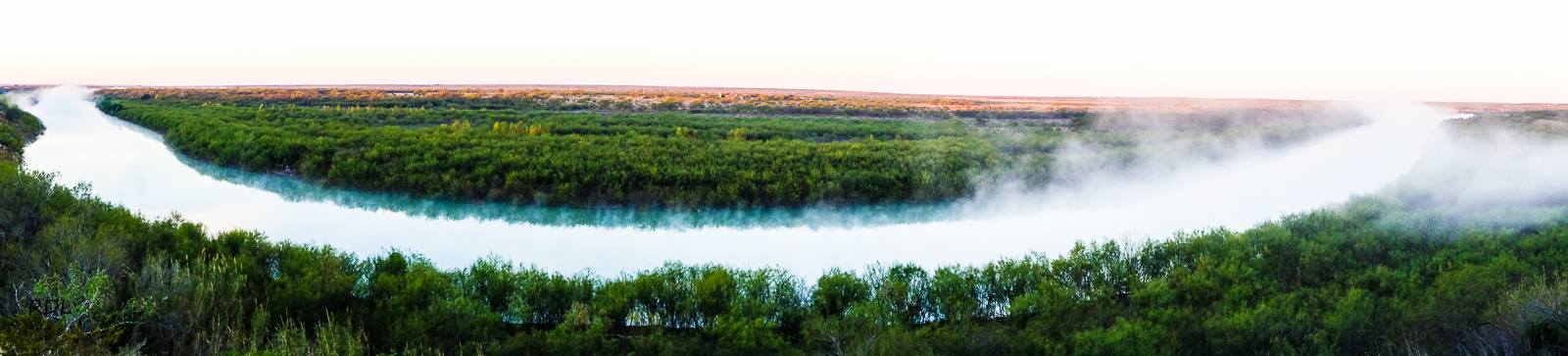
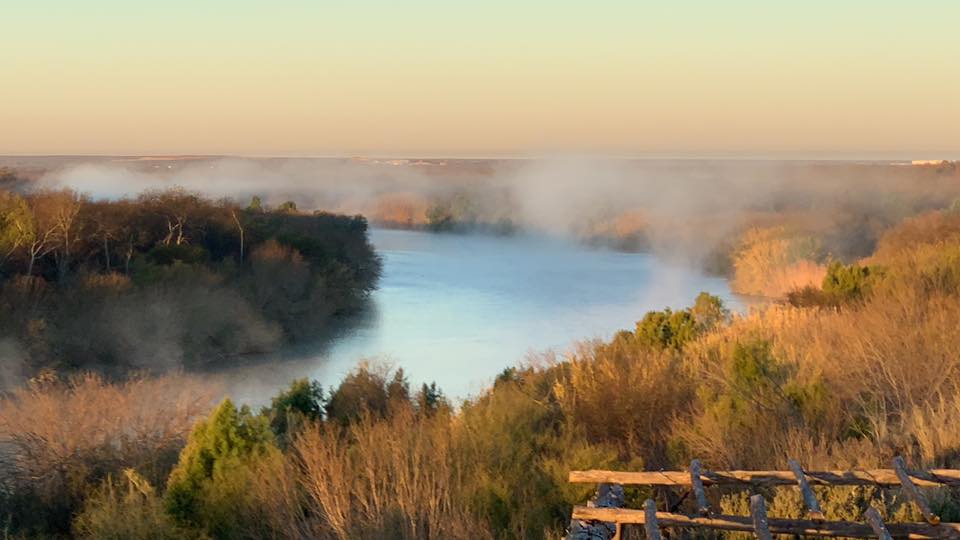
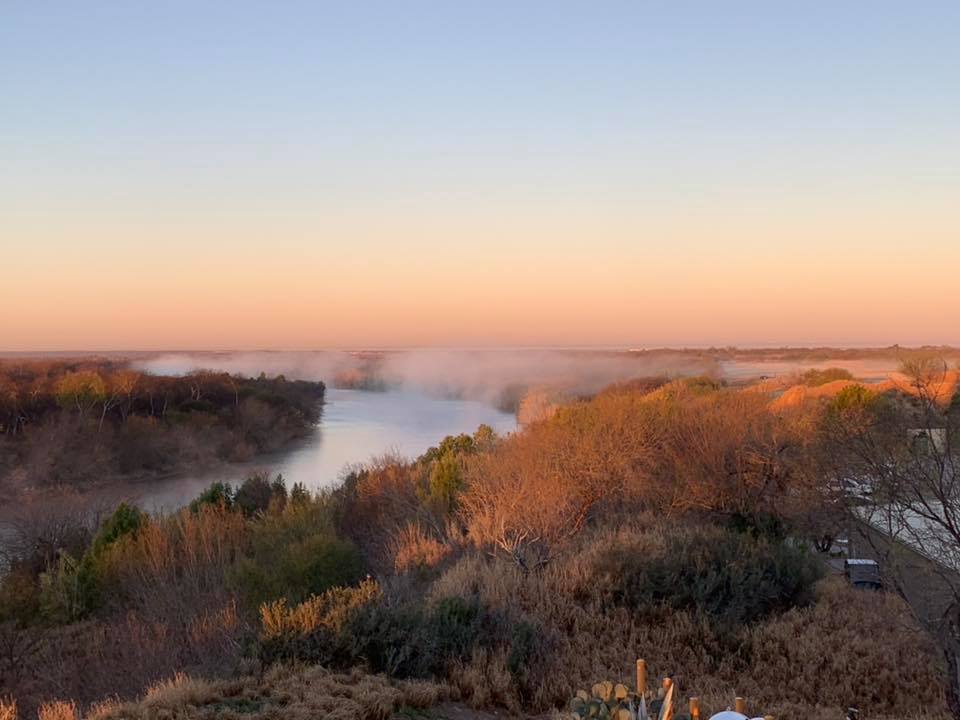
When I stand beside the river, I do not see water alone. I see my grandparents and their grandparents stretching back beyond memory. I see the footsteps of children who learned to fish in its shallows. I hear the voices of traders, healers, hunters, and mothers calling to one another across the bends. I see a world before conquest, before ownership, before anyone imagined they could divide a living landscape into pieces and claim it as property.
The river teaches lessons that no classroom can offer. It teaches patience as it carves stone. It teaches resilience as it survives drought and flood. It teaches humility because no matter how powerful a government, corporation, or army may seem, they cannot command the water forever. The river remembers what people forget.
Its waters carry our identity. Every spring, every tributary, every bend holds stories. The fish, the turtles, the birds, the reeds, and the medicine plants are not separate from us. They are part of the same living relationship. To harm the river is to harm ourselves. To poison the water is to poison memory. To destroy the banks is to erase pages from a history book written not on paper, but upon the earth itself.
There are times when I grieve for the river. I grieve for the contamination, the dams, the extraction, the walls, and the industries that see only profit where our people see sacred responsibility. Yet even in grief, the river gives hope. Every sunrise reflected on its surface reminds me that life continues. Every rainfall upstream reminds me that renewal is possible. Every child who learns our history beside its waters becomes another guardian of its future.
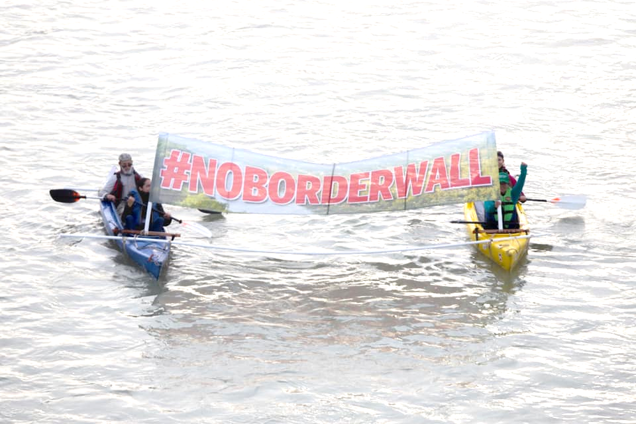 Credit: Rio Grande International Study Center
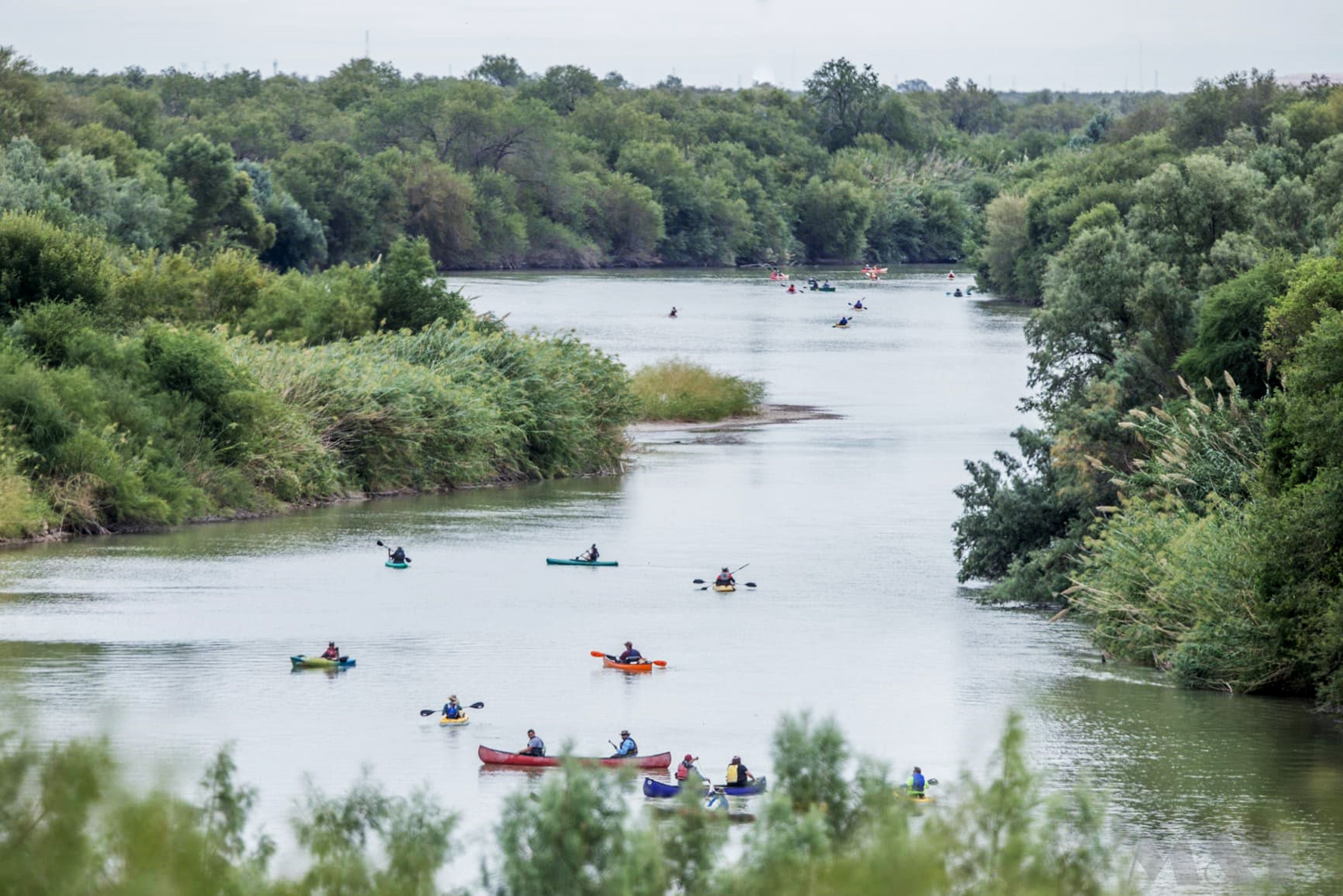
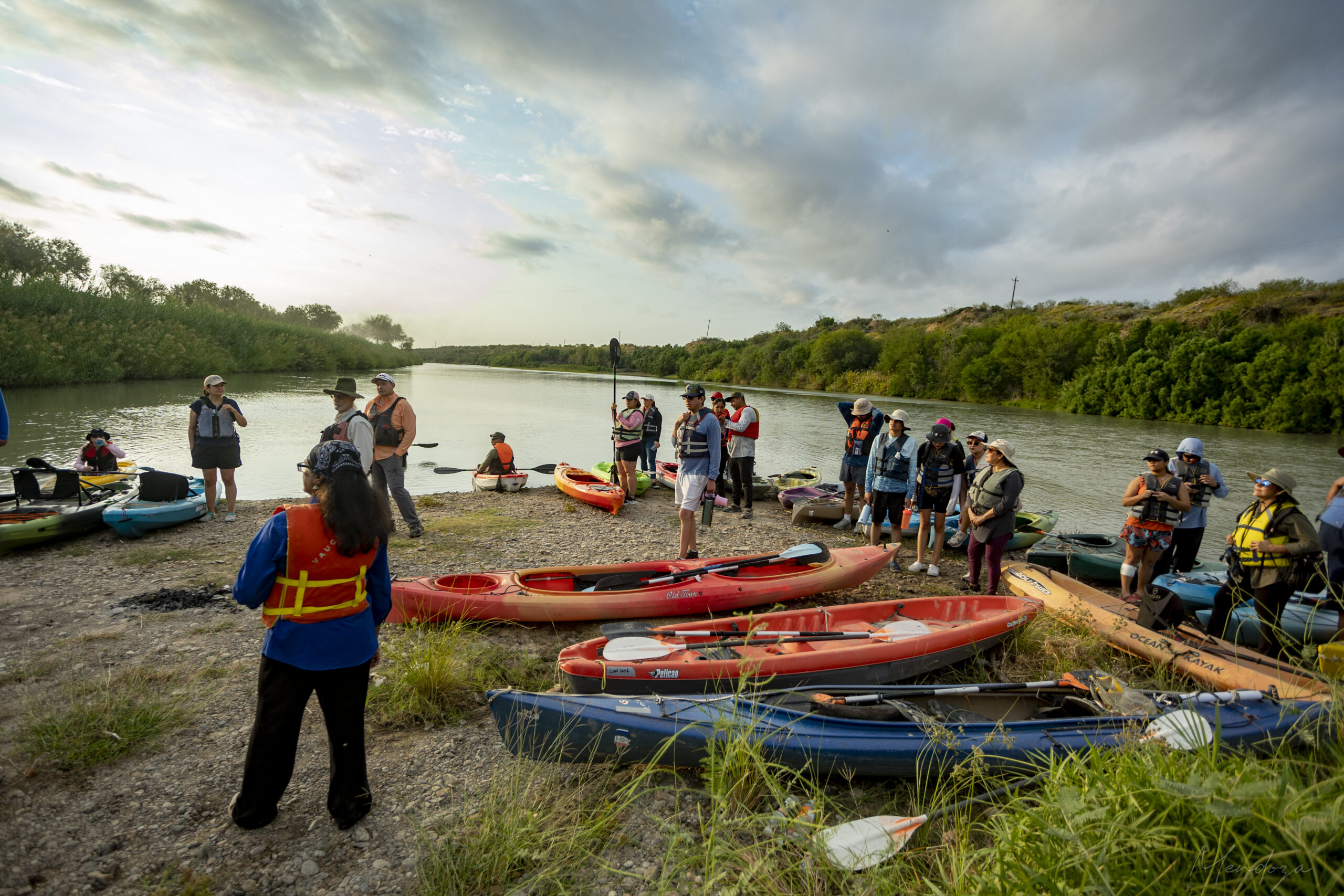
The river is not behind us. It is not merely our past. It is our present and our future. It flows through our ceremonies, our language, our stories, and our responsibilities. It is the heartbeat of our homeland and the witness to our survival.
As Esto’k Gna people, we remain because the river remains. Its waters still carry our songs to the Gulf. Its currents still whisper the names of those who came before us. And as long as Ahamatau Pakna Pakine continues to flow, our connection to this continent, to our ancestors, and to one another will endure.
The river remembers us, and therefore we remember ourselves.
Esto’k Gna Somi Se’k.
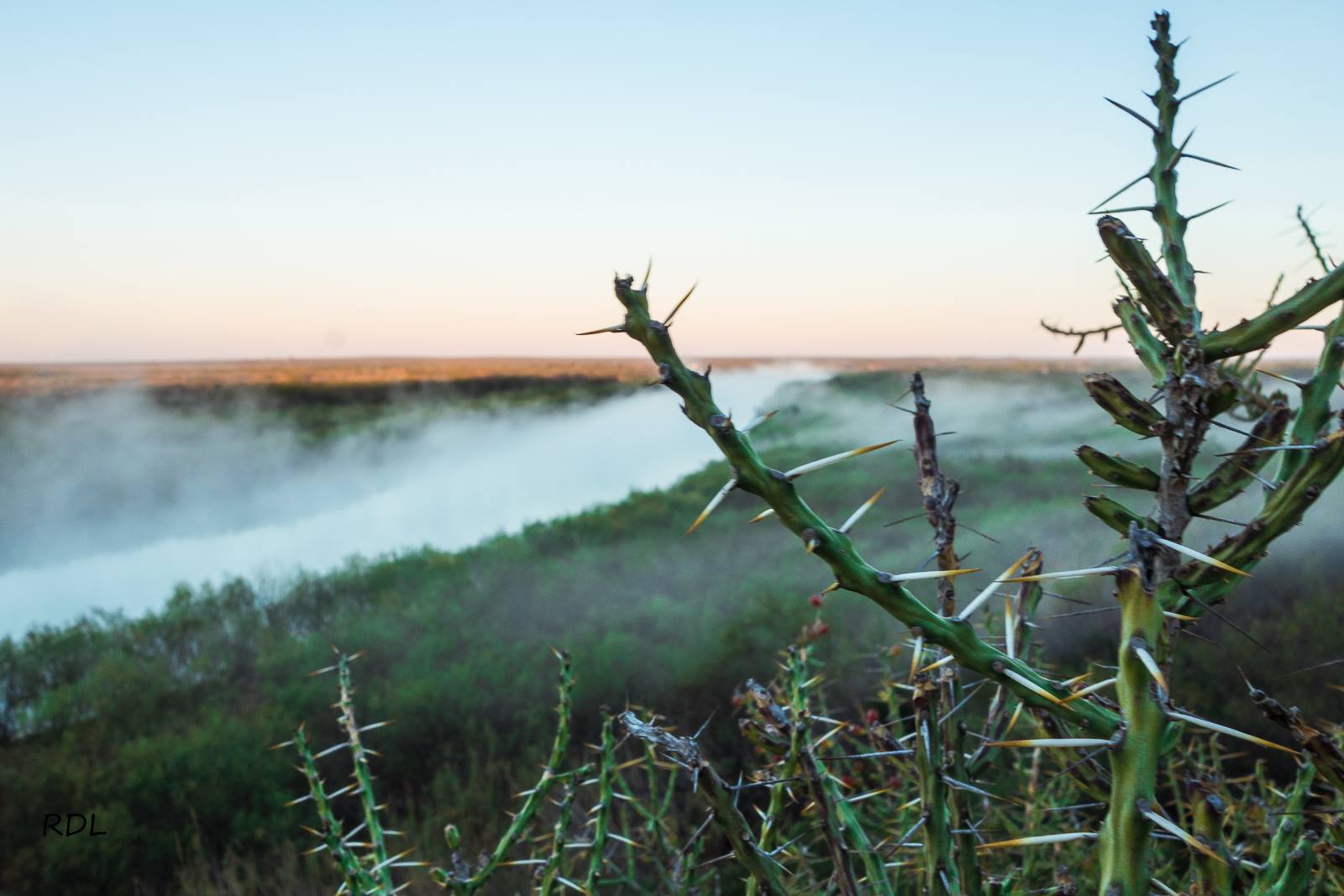 Credit: Rio Grande International Study Center