
Share


In “Part I: Renaming in Retrospect,” we revisited the origins of Words Are Monuments, exploring the political and cultural debates that informed the project’s launch. “Part II: Naming American Greatness” considers how the stakes of renaming have changed in the past year, surveying some of the Trump Administration’s sweeping efforts to rename sites and landmarks across the country.
—
By the end of Inauguration Day 2025, President Trump had already issued a barrage of executive orders addressing everything from border security and foreign aid to DEI programs and place-names. One of these orders, “Restoring Names that Honor American Greatness,” articulated an explicit agenda for reshaping the symbolic landscape.
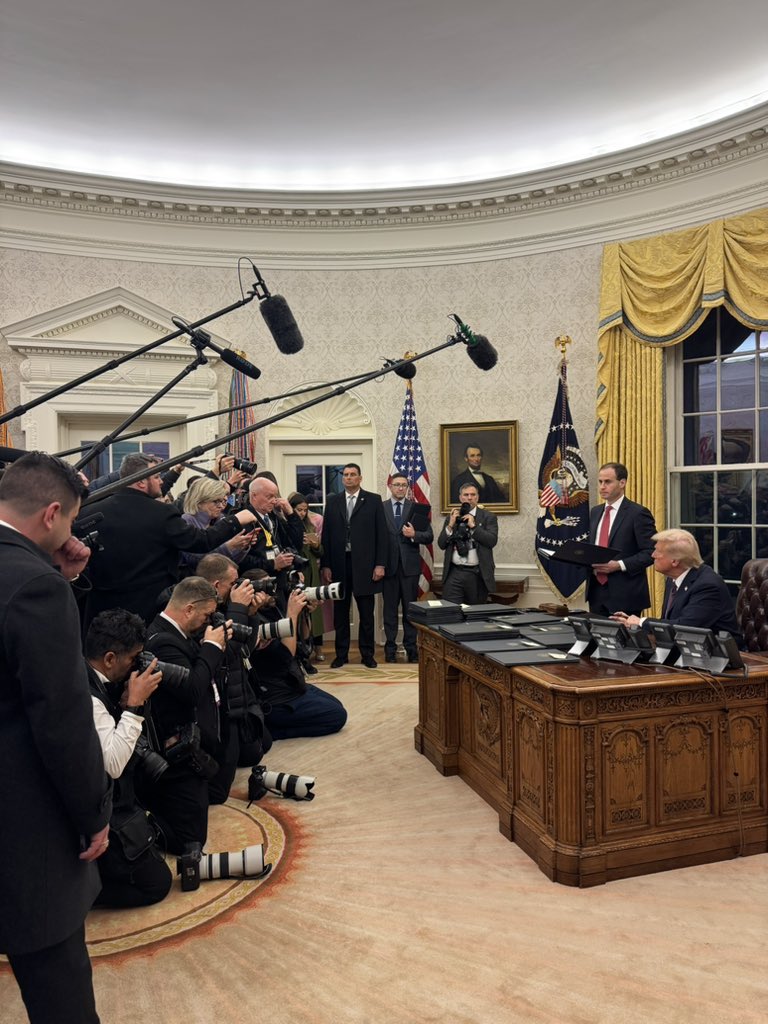
The directive called for the removal of U.S. Board on Geographic Names members who did not align with the President’s vision of a symbolic landscape that would “honor the contributions of visionary and patriotic Americans in our Nation’s rich past.” Trump subsequently directed the Department of the Interior (DOI) to:
- Identify place-name changes made since January 1, 2020, that “minimize” the value of historical figures, challenge “proper” ideology, or “misrepresent” American history.
- Reinstate removed or altered monuments and names wherever possible.
- Ensure all federally managed memorials, monuments, markers or similar properties highlight “the greatness” of American achievements or the “beauty, abundance, and grandeur” of the U.S. landscape.
This directive has proven to be especially problematic for those responsible for maintaining national monuments dedicated to the abolition of slavery and the horrors of Japanese-American internment, as well as for those who have sought to explain the violent means through which lands within the DOI’s jurisdiction became federal property in the first place.
As part of its implementation, in what can be understood as an exercise in crowdsourcing state censorship, the DOI erected signs across the National Parks System featuring QR codes visitors can use to report interpretive materials they view as “negative about either past or living Americans or that fail to emphasize the beauty, grandeur, and abundance of landscapes.”
In response, a group of dissident librarians, historians and park rangers have been organizing against this initiative, documenting these changes through an online “People’s Archive of National Park Signs.” Nevertheless, the government’s plans are moving ahead.
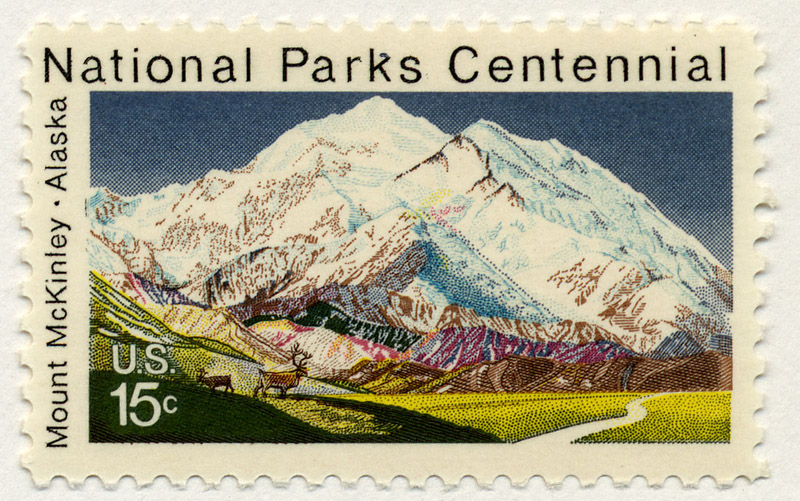
Beyond the Department of the Interior’s system-wide review, the Trump Administration has actively promoted a wide array of high-profile renaming schemes—some more audacious than others. In one of its earliest actions, the administration directed the U.S. Board of Geographic Names to change the name of Denali, the highest mountain peak in the U.S., back to Mount McKinley—a name that Alaska Native communities have opposed since it was first imposed in 1897. The same executive order rechristened the Gulf of Mexico as the “Gulf of America.”
In subsequent months, Trump endorsed a House proposal to purchase Greenland and rename it “Red, White and Blueland,” an outlandish gesture toward reviving the language and logic of U.S. territorial expansion. In June 2025, the Department of Defense (since renamed as the Department of War) announced that it would restore the names of military bases previously stripped of their Confederate names during the Biden Administration, rededicating them instead to twentieth-century soldiers who shared surnames with their Confederate predecessors. In September, the Washington Post leaked a 38-page policy document outlining an action plan for realizing Trump’s vision for a “Gaza Trump Riviera”: a tourist destination and special economic zone that would be rebuilt, rebranded, and governed under U.S. control.
This document includes a range of renaming proposals to accompany its vision for the Gaza Strip: from an industrial zone along the Israel-Gaza border called the “Elon Musk Smart Manufacturing Zone,” to regional data centers with special U.S.-controlled AI regulations called “American Data Safe Havens.” More broadly, the proposal promised to naturalize a new project of U.S. neocolonial rule over Gaza as if it were a return to tradition. As “a regional trade hub at the crossroads of the ancient Sea Route (Egypt ↠ Gaza ↠ Babylon) and the Incense Trade Route (India ↠ Yemen ↠ Arabia ↠ Europe),” the document proclaimed, “It can thrive once again at the center of pro-American regional architecture.”
This is only a short list of the numerous renaming initiatives the Trump Administration has ordered, endorsed, casually floated, or entertained since taking office. Most seem designed to flex the President’s executive power, energize his far-right base, and feed a media ecosystem that is hungry to reinforce his strongman persona. Taken together, these actions signal an effort to reassert a nationalist vision of place-naming—one that treats geography as a symbolic resource to be claimed, branded, and controlled in service of state power.
Continued in “Part III: Place Names in the War on Woke.”
