FEATURE
The New Frontier

SHARE


A national reckoning with American history and racial injustice has been playing out across various sites, from monuments to museums, school curricula, and maps, where Indigenous, frontline and marginalized communities are calling to rename (and sometimes reclaim) their current, ancestral, and sacred homelands. Racist and settler-colonial word-monuments are beginning to crack and crumble. But monuments do not fall without a fight. Into this context, the Trump Administration has responded not only by defending the status quo, but also by advancing an ambitious renaming campaign of its own.
Naming American Greatness
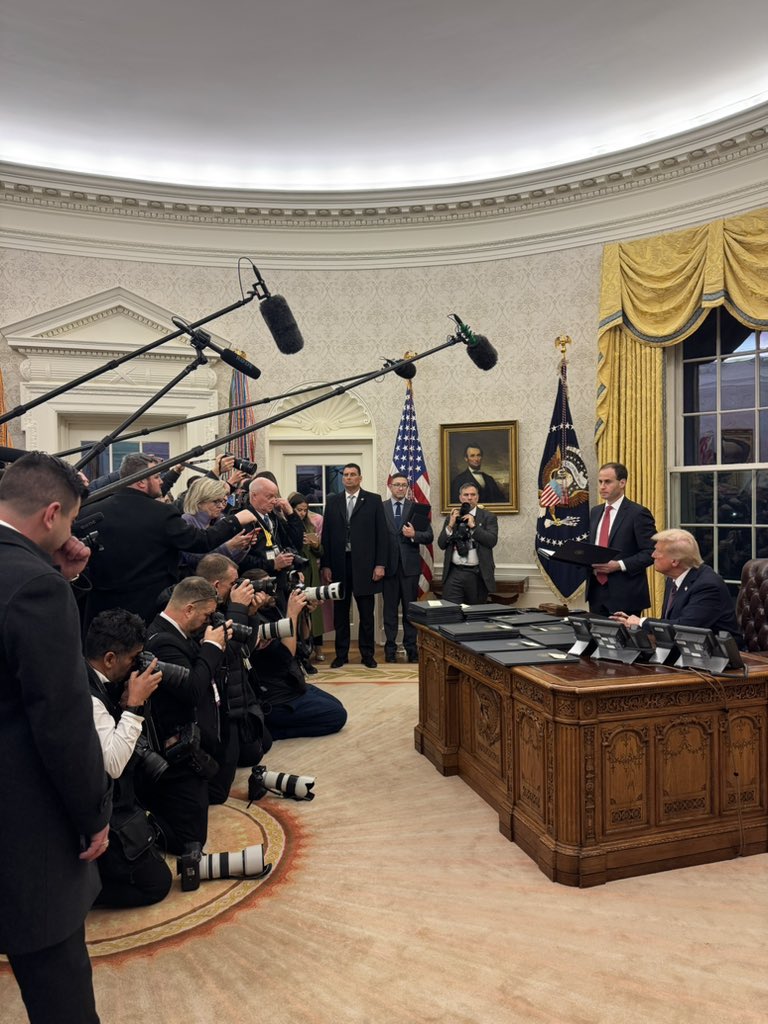
By the end of Inauguration Day 2025, President Trump had already issued a barrage of executive orders addressing everything from border security and foreign aid to DEI programs and place names. The latter announced the President’s intentions to “Restor[e] Names that Honor American Greatness.”
Directing the Department of the Interior to identify place names that “minimize” the value of historical figures, challenge “proper” ideology, or “misrepresent” American history, Trump has vowed not only to undo the work of the previous administration’s Derogatory Geographic Names Task Force, which was established in 2021 to systematically audit the country’s geographic names directory for racist and offensive place names, but also to reinforce a vision of “American Greatness” as it is embedded in the country’s monumental infrastructure.
The Administration has actively promoted a wide array of high-profile renaming schemes. In one of its earliest actions, the administration director the US Board of Geographic Names to change the name of Denali, the highest mountain peak in the US, back to Mount McKinley—a name that Alaska Natives have opposed since it was first imposed in 1897. In the same executive order, he rechristened the Gulf of Mexico as the “Gulf of America”. In subsequent months, Trump endorsed a House proposal to purchase Greenland and rename it “Red, White and Blueland.” In June, 2025, the Department of Defense (since renamed as the Department of War) announced that it would restore the names of military bases previously stripped of their Confederate names during the Biden Administration, rededicating them instead to twentieth-century soldiers who shared surnames with their Confederate predecessors.
This is only a short list of the numberous renaming initiatives the Trump Administration has ordered, endorsed, casually floated, or entertained as part of its so-called “War on Woke.”
Place Names in the War on Woke
For Trump, renaming places is one of an arsenal of tools for imposing a xenophobic and imperialist order onto the social, bureaucratic, and institutional frameworks we encounter everyday. Most concretely, by practically intervening within the federal register of geographic names, many of Trump’s renaming orders are literally changing the coordinates through which people navigate place and space. In doing so, they leave the stamp of the President’s worldview (and his authority to unilaterally impose it) on the everyday tools people rely on to get from one place to another.
Trump is far from the first authoritarian leader to recognize that place names can be mobilized to assert control, reinforce social divisions, and legitimize contested claims to land. From Israel’s longstanding policy of striking Arabic place names in Palestinian territories to the Bharatiya Janata Party’s efforts to “swap names that reflect Muslim heritage for Hinducentric ones” across India, governments have long used renaming as a ritual for collective belonging and banishment—of defining who is in and who is out.
For Trump, renaming is not merely symbolic. While many of Trump’s renaming proposals read as provocation or spectacle, even the most outlandish among them are not simply offensive. They serve as attention-grabbing headlines for a broader project: a vision of a new American frontier premised on domination, extraction, and control.
The Next Frontier
In May 2025, the Department of Justice released a new legal opinion on monument designation that could have a massive impact on presidential authority—not only over the naming of places, but also over how they are managed and used. Reversing a 1938 ruling that prohibited sitting Presidents from redrawing the boundaries of national monuments that were established by their predecessors, the opinion sets the stage for the Republican President to “eliminate federal protections for potentially millions of acres of land previously designated as national monuments.”
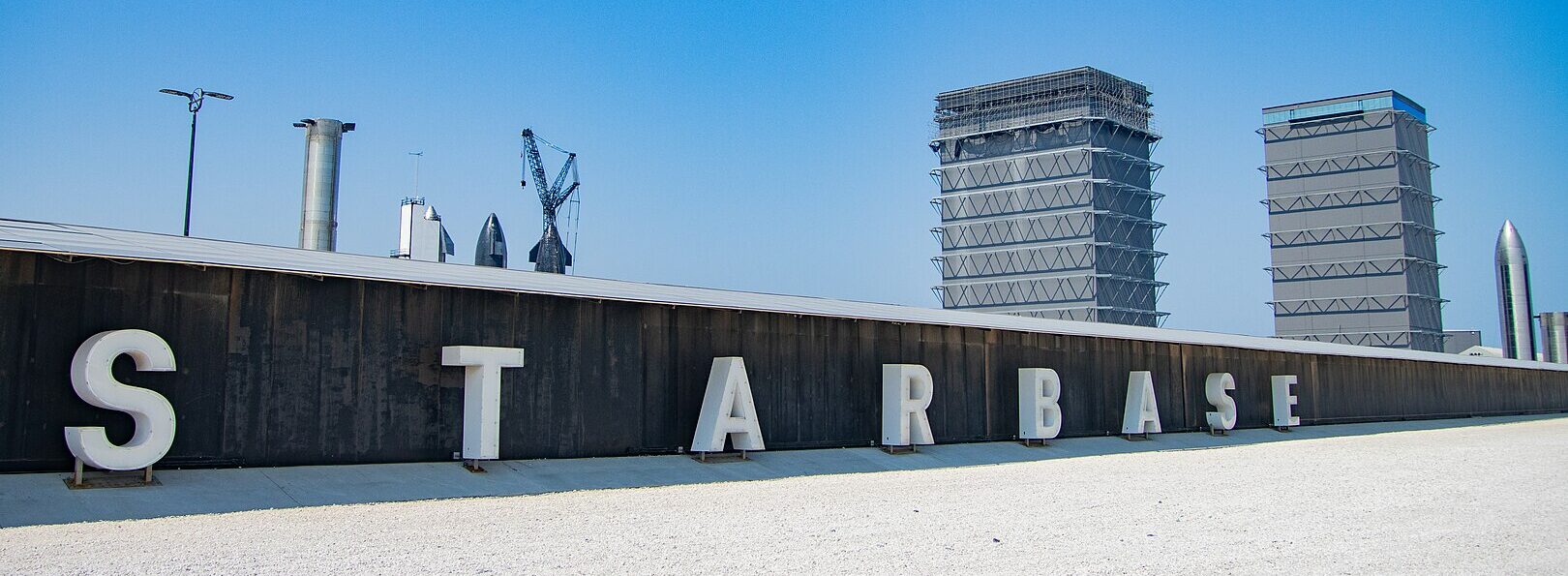
Trump’s gambit is, in a sense, the inversion of his predecessor’s. Where the Biden Administration saw an opportunity to strategically expand conservation lands, Trump sees an opportunity to strategically shrink them—not only to sell off public lands to the highest bidder, but, more ambitiously, to “reopen the frontier” to new settlement, urbanization, extraction and industrial development.
For several years now, right-wing think tanks have been developing proposals to establish “Freedom Cities,” “Prosperity Zones,” or “Acceleration Zones” within the continental United States—special jurisdictions designed to supercharge development by “pressing reset” on decades of regulatory buildup. Custom-tailored to serve the imperatives of the billionaire class, these proposed developments promise to open some of the country’s 640 million acres of national parks, monuments and federal lands to unbridled extraction and industrial development, complete with “Elon-compatible” labor laws and low tax rates.
Framed as plans to “reopen the frontier,” these proposals promise not only to rename pockets of land that were violently cleared and set aside by the government more than a century ago. They also promise to literally remap the country—economically, infrastructurally, politically—by redrawing jurisdictional boundaries in the interests of “free” enterprise and private wealth.
If maps seem to set land relations in stone, they are, in practice, only as durable as the bureaucratic apparatuses that regulate them. Place-making and place-naming, are dynamic and intertwined historical processes, borne from and inscribed through struggle.
The political terrain has shifted, but the fundamental task remains the same: not only to refuse the coordinates set by the colonial map—redrawn again and again in the name of American greatness—but to work together to name and claim a future rooted in justice and liberation.